

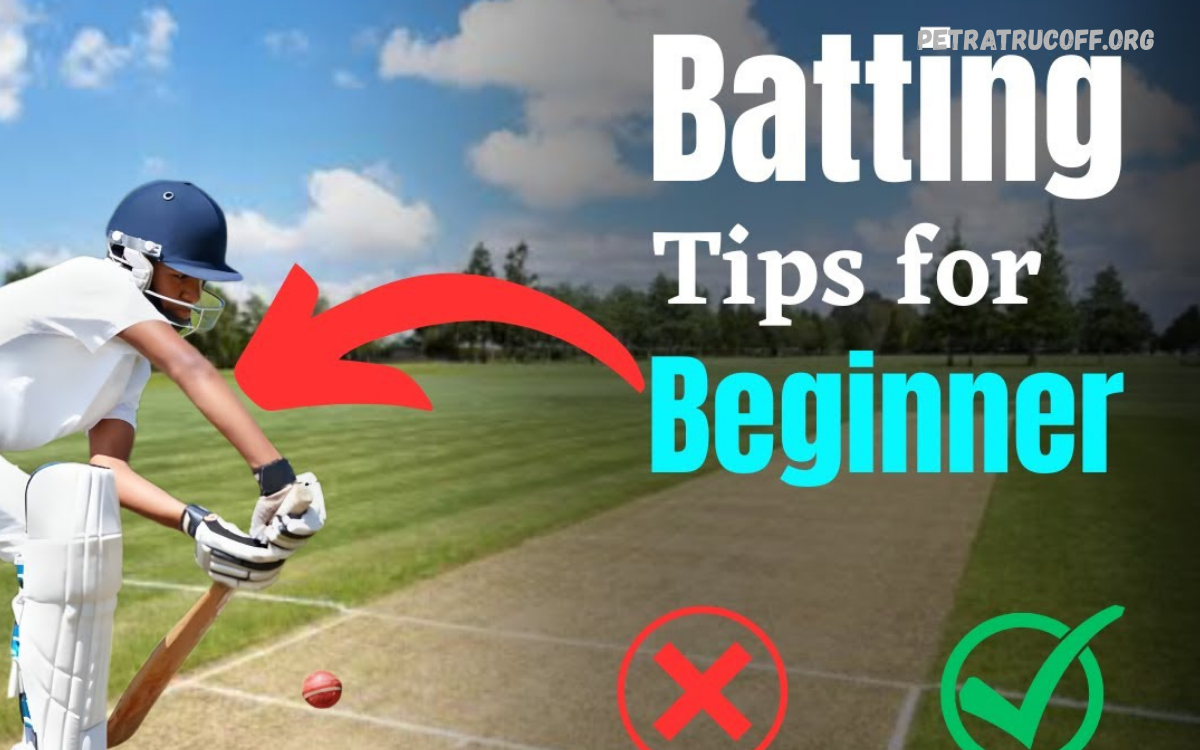
Learning cricket batting can feel difficult at first, but the right fundamentals make progress much easier. Good batting starts with a balanced stance, correct grip, controlled footwork, strong observation, and regular practice.
These batting tips for beginners are designed to help new players understand the essential parts of batting. From holding the bat correctly to playing defensive and attacking shots, each skill develops through repetition.
Develop a Comfortable Batting Stance
A comfortable stance gives a batter a strong foundation before the ball is delivered. Keep your feet about shoulder-width apart, bend your knees slightly, and maintain a relaxed posture. Keep the head steady, with the eyes focused on the bowler and the incoming ball.
Avoid standing too stiffly or putting too much weight on one foot. A balanced stance allows quick movement forward, backward, or sideways. Beginners should practice their stance without a ball until maintaining balance feels natural and comfortable.
Learn the Correct Bat Grip
A correct grip helps control the bat during defensive and attacking shots. Hold the handle firmly without squeezing too hard, keeping your wrists and forearms relaxed. Both hands should work together rather than allowing one hand to dominate every movement.
Practice holding the bat while standing in your normal stance. Move the bat gently backward and forward to understand its weight and balance. A comfortable grip improves control and makes it easier to adjust the bat according to the line and length of the delivery.
Keep Your Head Still
Keeping the head steady is one of the most important batting fundamentals. A stable head helps maintain balance and allows both eyes to track the ball accurately. Beginners often move their head too much, making timing and shot selection more difficult.
Try watching the ball closely from the bowler’s hand until it reaches the bat. Avoid looking away early after choosing a shot. Stable head positioning can improve concentration, balance, timing, and overall control during different types of deliveries.
Focus on Watching the Ball
Strong batters develop the habit of watching the ball carefully. Beginners should concentrate on the ball rather than worrying about the field, scoreboard, or previous delivery. Better visual focus gives the batter more information about speed, bounce, line, and length.
During practice, make an effort to follow every delivery from release to contact. Do not decide on an aggressive shot before understanding the delivery. Watching the ball carefully helps beginners react more naturally and make better batting decisions.
Improve Your Batting Footwork
Footwork allows a batter to reach the correct position for playing a shot. Move the front foot toward the ball when playing a suitable front-foot delivery, while backward movement can create space against shorter balls. Small, controlled movements are often more effective than large steps.
Beginners should practice moving forward and backward without swinging the bat. Once movement becomes comfortable, combine footwork with simple defensive strokes. Good footwork improves balance and helps place the body closer to the ideal position for making controlled contact.
Practice Defensive Batting
Defensive batting is an essential skill for every beginner. A solid defense teaches players to respect good deliveries, protect the wicket, and maintain control. Keep the bat close to the body and meet the ball with soft hands when appropriate.
Practice defensive strokes against gentle bowling before facing faster deliveries. Focus on balance, head position, and straight bat movement rather than trying to hit every ball. A reliable defense can provide confidence when facing challenging bowling situations.
Learn the Straight Drive
The straight drive is one of cricket’s classic batting shots and an excellent technique for beginners to learn. It requires good balance, correct foot movement, and a controlled swing through the line of the ball. The shot should be based on timing rather than excessive power.
Start by practicing with gentle throwdowns or underarm feeds. Move into position, keep your head over the ball, and swing the bat smoothly toward the target area. Repeated practice can help develop a natural batting rhythm and stronger bat control.
Understand the Forward Defense
The forward defensive shot is useful when a batter wants to block a suitable delivery. Move the front foot toward the ball while keeping the head balanced and the bat close to the body. The goal is controlled contact rather than hitting the ball forcefully.
Beginners should practice this shot against balls arriving at a comfortable length. Concentrate on presenting the bat with a stable face and maintaining balance after contact. Learning to defend confidently can reduce unnecessary mistakes during an innings.
Practice the Back-Foot Technique
Back-foot technique becomes important when dealing with shorter deliveries. Move the back foot quickly enough to create space while keeping the head balanced. The batter should avoid falling backward because excessive movement can reduce control and timing.
Use simple practice drills to develop backward movement. A coach or training partner can provide gentle short balls so the batter can focus on positioning. As confidence improves, gradually introduce greater pace while maintaining the same technical fundamentals.
Improve Batting Timing
Timing is often more valuable than raw strength for beginner batters. A well-timed shot can travel quickly without requiring an extremely powerful swing. Good timing comes from watching the ball, moving into position, and allowing the bat to meet the ball naturally.
Practice hitting controlled feeds rather than trying to smash every delivery. Concentrate on the sound and quality of contact. Consistent timing develops gradually through repetition, patience, and an understanding of when to move the bat.
Avoid Trying to Hit Every Ball Hard
Beginners often believe powerful swings are the fastest way to score runs. Excessive force can create poor balance, mistimed shots, and unnecessary dismissals. Effective batting involves choosing the right delivery and using an appropriate amount of power.
Learn to distinguish between attacking opportunities and balls that should be defended or left alone. A controlled shot played at the correct delivery can be more productive than a powerful swing played at the wrong ball.
Learn Basic Shot Selection
Shot selection means deciding how to respond to different deliveries. Consider the ball’s line, length, speed, and movement before committing to a stroke. Beginners should first develop a small collection of reliable shots instead of attempting every shot immediately.
A simple batting plan might include a defensive shot, straight drive, cover drive, square shot, and controlled leg-side stroke. Mastering basic options provides flexibility while reducing risky decisions. Good shot selection becomes easier as experience and match awareness increase.
Practice Playing Straight
Playing straight helps beginners develop strong fundamentals and control. Straight-bat shots encourage proper alignment between the body, bat, and ball. They can also help players understand how footwork and head position affect contact.
Spend regular practice sessions playing straight drives and defensive strokes. Keep the movement compact and controlled. Once these basic techniques become comfortable, gradually introduce shots through different areas of the field.
Build Hand-Eye Coordination
Hand-eye coordination plays a major role in successful batting. The eyes track the ball while the hands guide the bat toward the correct contact point. Beginners can improve coordination through simple catching, throwdown, and controlled hitting exercises.
Use tennis balls or other suitable training methods under safe supervision. Begin with slower feeds and gradually increase the difficulty. Regular coordination exercises can make it easier to judge the ball and respond with controlled movements.
Improve Batting Concentration
Concentration helps a batter remain focused during every delivery. Losing attention for even a short moment can lead to poor shot selection or mistimed contact. Beginners should develop a simple routine before each ball to regain focus.
Take a breath, check your stance, look toward the bowler, and prepare mentally for the delivery. Avoid thinking too much about previous mistakes. Focusing on the next ball keeps the mind calmer and makes decision-making easier.
Learn From Every Practice Session
Effective practice involves more than simply hitting a large number of balls. Beginners should identify specific skills to improve during each session. One session might focus on defense, while another can emphasize footwork, timing, or shot selection.
After practice, think about which techniques felt comfortable and which created problems. Discussing progress with a coach or experienced player can provide useful feedback. Small corrections made consistently can create significant improvements over time.
Use Batting Drills Regularly
Batting drills provide structured repetition and help develop reliable movements. Useful beginner drills include shadow batting, straight-drive practice, front-foot defense, back-foot movement, and controlled throwdowns. Each drill should have a clear technical purpose.
Keep practice sessions focused instead of trying to improve everything at once. Repeat a movement until it becomes comfortable, then gradually increase difficulty. Regular drills can improve confidence and help convert technical knowledge into natural batting habits.
Develop Match Awareness
Good batting is not only about technique; understanding the match situation is also important. Consider the score, number of wickets remaining, required run rate, field placement, and bowling conditions. These factors can influence which shots are sensible.
Beginners should learn to adapt rather than following one fixed approach. A batter may need patience during difficult bowling periods and greater aggression when opportunities appear. Match awareness develops through playing games and observing experienced players.
Read Also: Cricket Batting Drills: Complete Guide to Better Batting
Manage Batting Pressure
Pressure is normal during cricket matches, especially when batting in front of teammates or spectators. Beginners should avoid placing unrealistic expectations on themselves. Concentrating on one delivery at a time can make the situation feel more manageable.
Use a consistent pre-delivery routine and focus on simple technical goals. Instead of thinking about the final score, concentrate on balance, watching the ball, and making a good decision. Confidence usually grows through repeated match experience.
Practice Against Different Bowling Styles
Facing different bowling styles helps beginners become adaptable batters. Pace bowling, spin bowling, swing, seam movement, and different lengths can require different responses. Training against variety helps develop better judgment and footwork.
Start with manageable speeds and gradually introduce more challenging deliveries. Against spin, focus on reading the ball and maintaining balance. Against pace, concentrate on watching the ball closely and responding according to its length and movement.
Maintain Fitness for Better Batting
Basic fitness can support batting performance by improving movement, balance, coordination, and concentration. Beginners do not need complicated training programs to become better batters. Regular general exercise, mobility work, and appropriate cricket practice can provide a useful foundation.
Warm up before demanding practice sessions and allow adequate recovery afterward. Good movement quality helps players maintain their technique for longer periods. Fitness should support cricket skills rather than replacing technical practice.
Common Batting Mistakes Beginners Should Avoid
One common mistake is trying to hit every delivery aggressively. Other mistakes include poor footwork, watching the ball too late, gripping the bat too tightly, moving the head excessively, and losing balance during the swing. Recognizing these problems is the first step toward correcting them.
Beginners should also avoid changing technique after every unsuccessful shot. Improvement takes time, and occasional mistakes are part of learning. Work on one or two clear corrections at a time and give those changes enough practice to become comfortable.
Create a Simple Batting Practice Routine
A beginner batting routine can start with a short warm-up followed by shadow batting and stance practice. Continue with defensive strokes, straight drives, controlled attacking shots, and footwork drills. Finish with varied deliveries that require quick decisions.
Keep a simple record of practice goals and progress. For example, one session can focus on head position while another focuses on timing. A structured routine makes practice more purposeful and helps beginners identify measurable improvements.
Frequently Asked Questions
What are the most important batting tips for beginners?
The most important batting tips for beginners include learning a balanced stance, using a comfortable grip, watching the ball carefully, developing good footwork, and maintaining a stable head. These fundamentals create a strong base for learning more advanced batting skills.
How can beginners improve batting timing?
Beginners can improve timing by watching the ball closely and moving into a balanced position before making contact. Avoid trying to hit every ball with maximum power. A smooth swing and correct body position usually produce better timing.
How often should a beginner practice batting?
A beginner should practice regularly while allowing enough time for recovery. Short, focused sessions can be more useful than occasional sessions where the player becomes tired and loses technique. The exact schedule can depend on age, fitness, coaching, and available facilities.
Which cricket shots should beginners learn first?
Beginners should initially focus on reliable fundamental shots such as the forward defense, straight drive, controlled defensive stroke, and basic back-foot shot. These techniques teach balance, footwork, bat control, and timing.
How can beginners become more confident while batting?
Confidence grows through preparation, practice, and positive match experience. Beginners should set small goals such as watching the ball carefully, maintaining balance, or playing a particular defensive shot correctly rather than focusing only on scoring runs.
What is the biggest batting mistake beginners make?
Trying to hit every ball aggressively is one of the most common beginner mistakes. Poor shot selection can lead to unnecessary risks, especially when the delivery is difficult to attack. Learning when to defend, leave, or attack is an important part of batting development.
Can batting improve without expensive equipment?
Yes, many fundamental batting skills can be practiced with basic cricket equipment and suitable training space. Shadow batting, stance practice, footwork drills, and controlled ball exercises can help develop technique without requiring advanced facilities.
How long does it take to become a better batter?
There is no fixed amount of time because improvement depends on practice frequency, coaching, natural coordination, match experience, and individual learning speed. Consistent practice can bring noticeable improvement, but advanced batting skills require ongoing development.
Conclusion
The best batting tips for beginners focus on fundamentals rather than complicated techniques. A strong stance, correct grip, stable head, good footwork, careful ball watching, balanced shot selection, and regular practice create a reliable foundation for cricket batting.
Do not expect perfect batting immediately. Every batter develops through repetition, match experience, feedback, and patience. Focus on improving one skill at a time, enjoy the learning process, and gradually build confidence at the crease.

1 comentario
Pingback: Batting Head Position: A Complete Guide for Better Batting - PetraTrucoff