

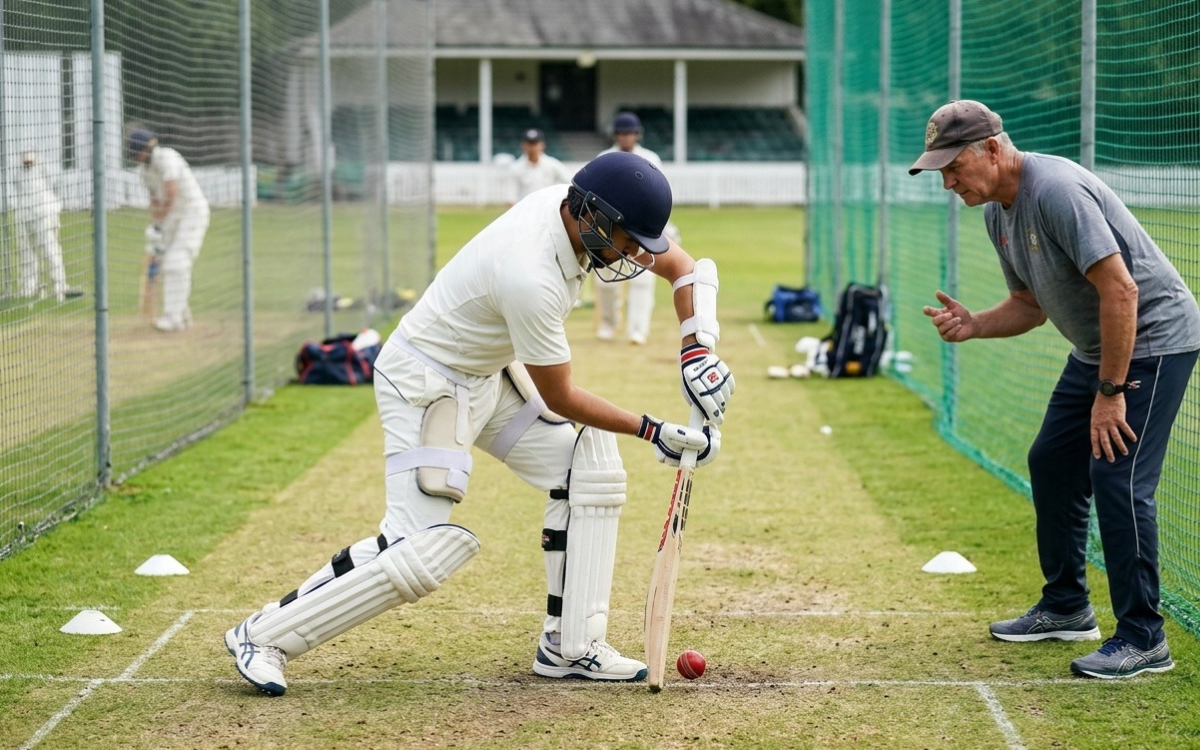
Improving your batting against fast bowling is an important skill for every cricket player who wants to become a confident, technically strong batter. Facing fast bowlers requires quick reactions, balanced footwork, accurate timing, and excellent concentration.
Fast bowling creates challenges through speed, bounce, swing, and unpredictable movement. Developing the right batting technique helps players handle different deliveries, choose better shots, and perform consistently in competitive matches.
Understand Fast Bowling
Fast bowling involves deliveries played at high speeds, making it difficult for batters to judge the ball quickly. Bowlers use pace, bounce, swing, and seam movement to create pressure and force mistakes.
Understanding different fast-bowling styles helps batters prepare better. Learning how the ball behaves after pitching allows players to make quicker decisions and choose suitable defensive or attacking shots.
Develop Proper Batting Stance
A balanced batting stance creates a strong foundation for facing fast bowlers. Keep feet comfortably apart, knees slightly bent, head steady, and body relaxed before the bowler begins the delivery.
Avoid standing too stiffly or putting too much weight on one foot. A comfortable stance improves balance, supports quick movement, and makes it easier to respond to different bowling lengths.
Improve Footwork Against Fast Bowlers
Footwork plays an essential role in successful batting against fast bowling. Quick movements towards the pitch help players defend full deliveries and create opportunities for controlled attacking shots.
Practise moving forward, backward, and across the crease without losing balance. Strong footwork helps batters adjust to different lengths and maintain control during challenging batting situations.
Watch the Ball Carefully
Watching the ball from the bowler’s hand improves reaction time and decision-making. Focus on the release point, follow the ball closely, and observe its direction before deciding which shot to play.
Avoid watching fielders or making early assumptions about the delivery. Concentrating on the ball helps identify line, length, swing, and bounce more accurately.
Improve Batting Against Short-Pitched Deliveries
Short-pitched deliveries can challenge batters through additional bounce and speed. Maintaining a balanced position and watching the ball carefully helps players decide whether to defend, evade, or play a controlled attacking shot.
Learn to judge the height and direction of short deliveries before making a movement. Practising safe and controlled responses builds confidence and improves decision-making against aggressive fast bowling.
Master Defensive Batting
Defensive batting protects the wicket and helps players survive difficult bowling spells. Keep the bat close to the body, maintain a stable head position, and meet the ball with soft hands.
Practising forward defence and back-foot defence develops patience and control. These techniques are especially valuable when facing new-ball swing, accurate line, and challenging bowling conditions.
Improve Batting Timing
Timing is one of the most important skills required to score runs against fast bowlers. Instead of depending entirely on physical strength, focus on meeting the ball at the correct moment.
Practise controlled shots using a straight bat and relaxed grip. Good timing allows players to find gaps, maintain control, and score runs without unnecessary effort.
Choose the Right Batting Shots
Shot selection helps batters avoid unnecessary risks against fast bowling. Play deliveries according to their line and length rather than attempting aggressive shots against every ball.
Use straight drives for suitable full deliveries and back-foot shots when the ball is shorter. Developing disciplined shot selection improves consistency and reduces avoidable dismissals.
Handle Swing Bowling
Swing bowling makes batting difficult because the ball moves through the air before reaching the batter. Watch the bowler’s wrist position and the ball’s movement to improve delivery judgment.
Keep the bat close to the body and avoid reaching too far outside the off stump. Patience and disciplined shot selection help manage both conventional and reverse swing.
Handle Seam Movement
Seam movement occurs when the ball changes direction after pitching. Fast bowlers use seam position, surface conditions, and accurate lengths to challenge batting technique.
Maintain a balanced position and avoid committing too early to a shot. Playing late allows better control and helps batters respond to unexpected movement after the ball lands.
Improve Back-Foot Batting
Back-foot batting is particularly useful when facing deliveries directed towards the body or pitching shorter. Move backwards quickly, maintain balance, and position the body correctly before playing the shot.
Practise back-foot defence, cuts, and controlled pulls against suitable deliveries. Developing these techniques improves confidence and creates additional scoring opportunities against fast bowlers.
Practise Front-Foot Batting
Front-foot batting helps players handle full-length deliveries and drive the ball into scoring areas. Move towards the pitch of the ball while keeping the head steady and maintaining proper balance.
Practise straight drives, cover drives, and defensive forward movements. Consistent training improves coordination and helps batters control deliveries that swing or move after pitching.
Maintain Proper Batting Grip
A comfortable batting grip provides control over the bat and improves shot execution. Hold the handle firmly without creating unnecessary tension in the hands and forearms.
Avoid gripping the bat too tightly because excessive tension can affect movement and timing. A relaxed grip supports better bat control during defensive and attacking shots.
Build Faster Reaction Skills
Fast bowlers provide limited time for batters to react, making quick decision-making extremely important. Reaction-based cricket drills help improve coordination, concentration, and responses to different deliveries.
Practise watching deliveries closely and responding with controlled movements. Regular training develops better awareness and helps players make confident batting decisions under pressure.
Improve Hand-Eye Coordination
Hand-eye coordination allows batters to connect the bat with the ball accurately. Strong coordination supports better timing, controlled contact, and improved shot placement against different bowling speeds.
Practise catching, underarm ball drills, and controlled batting exercises. These activities develop visual tracking skills and help players respond more effectively to fast deliveries.
Develop Mental Confidence
Mental confidence plays an important role when facing fast bowling. Nervousness and hesitation can affect concentration, movement, and shot selection, making it harder to perform consistently.
Build confidence through regular practice and realistic batting situations. Focus on one delivery at a time instead of worrying about the bowler’s speed or previous results.
Improve Concentration During Batting
Concentration helps batters understand the bowler’s plans and respond to changing match conditions. Maintaining focus between deliveries supports better preparation and reduces unnecessary mistakes.
Develop a simple routine before every delivery. Check your stance, take a breath, watch the bowler, and prepare to make a clear decision based on the ball.
Practise Against Different Bowling Speeds
Facing bowlers with different speeds helps players develop adaptability. Training against varied bowling styles improves timing, footwork, and the ability to judge deliveries.
Include different lengths, lines, and realistic match situations in practice sessions. Gradually increasing the difficulty helps batters become more comfortable against challenging bowling attacks.
Use Throwdowns for Batting Practice
Throwdowns provide an effective way to practise batting technique without facing a full bowling attack. Coaches can deliver balls at different lengths and directions to improve movement and shot selection.
Start with controlled deliveries before introducing greater variation. Focus on balance, timing, and correct technique rather than attempting powerful shots during every practice session.
Improve Batting Against Bouncers
Bouncers require careful judgment because they arrive higher and can create pressure. Stay balanced, watch the ball, and choose an appropriate response based on its direction and height.
Practise controlled defensive movements and learn when to leave a delivery alone. Always use suitable protective equipment and practise under qualified supervision.
Read Also: Free Fire MAX Update: Latest Features, New Changes, Rewards & Improvements
Develop Strong Batting Balance
Balance helps players control their body movements while playing different cricket shots. Keep your head steady and avoid leaning excessively towards the ball or moving too far across the crease.
Good balance improves shot execution and supports quicker recovery after playing a delivery. Regular batting drills can strengthen coordination and body control.
Improve Running Between Wickets
Running between wickets helps batters convert good batting performances into additional runs. Quick decisions, clear communication, and awareness of fielders are important for successful running.
Practise calling, turning, and completing singles with a partner. Better running skills improve teamwork and create scoring opportunities without depending entirely on boundaries.
Understand Line and Length
Line and length determine where the ball travels and how it behaves after pitching. Learning to identify these two factors helps batters choose appropriate defensive and attacking responses.
Observe the bowler’s consistency and identify scoring opportunities. Understanding line and length also helps players decide which deliveries should be played and which should be left alone.
Create a Consistent Practice Routine
A structured practice routine helps develop batting skills gradually. Include warm-ups, footwork exercises, defensive shots, attacking strokes, and realistic fast-bowling practice.
Set clear goals for every session and review your progress regularly. Consistent training builds confidence and helps correct technical weaknesses before competitive matches.
Common Batting Mistakes Against Fast Bowling
Playing across the line, moving too early, gripping the bat tightly, and attempting unnecessary attacking shots are common batting mistakes. These habits can reduce balance and create problems against accurate fast bowling.
Identify weaknesses through practice and feedback from experienced coaches. Correcting small technical mistakes can improve consistency and make batting decisions more reliable.
Improve Batting Through Match Practice
Practice matches help players apply batting techniques under realistic conditions. Facing different bowlers improves decision-making, concentration, and confidence when match pressure increases.
Review your performance after every innings and identify areas that require improvement. Learning from match situations helps develop stronger batting habits over time.
Use Video Analysis to Improve Technique
Video analysis helps players understand their batting movements and identify technical weaknesses. Recording practice sessions provides an opportunity to review stance, footwork, balance, and shot selection.
Compare your technique across different deliveries and discuss improvements with a qualified coach. Regular analysis can make training more focused and productive.
Build Physical Fitness for Batting
General fitness supports movement, coordination, and concentration during long batting sessions. Cricket training can include age-appropriate mobility exercises, balance activities, and general conditioning.
Allow sufficient recovery between training sessions and focus on proper technique. Good physical preparation helps players maintain control and confidence throughout an innings.
Best Tips to Improve Batting Against Fast Bowling
Focus on watching the ball, maintaining balance, improving footwork, and selecting appropriate shots. These fundamentals create a reliable foundation for handling different fast-bowling challenges.
Practise regularly, remain patient, and learn from experienced players. Consistency and disciplined training matter more than trying to master every batting technique immediately.
Frequently Asked Questions
How can I improve batting against fast bowling?
Improve footwork, timing, balance, and concentration through regular practice. Focus on watching the ball and choosing appropriate shots according to line and length.
How do beginners face fast bowlers?
Beginners should develop a comfortable batting stance and practise basic defensive techniques. Start with controlled bowling, then gradually introduce faster deliveries under supervision.
How can I improve batting timing?
Practise controlled batting drills and focus on meeting the ball at the correct moment. Keep your head steady and avoid unnecessary movements during shot execution.
Which batting technique is best against fast bowling?
A balanced stance, quick footwork, and disciplined shot selection provide a strong foundation. The correct technique depends on delivery length, line, swing, and bounce.
How do I play short balls confidently?
Watch the ball carefully, maintain balance, and judge its height and direction. Practise appropriate responses with a qualified coach and suitable protective equipment.
How can I improve back-foot shots?
Practise moving backwards quickly while maintaining a stable head position. Work on controlled back-foot defence, cuts, and pulls against suitable deliveries.
Why is footwork important against fast bowlers?
Footwork helps batters adjust to different lengths and maintain balance. Good movement creates better opportunities for defensive and attacking shots.
How can I handle swing bowling?
Watch the ball carefully, avoid reaching too far outside the off stump, and play with soft hands. Patience and disciplined shot selection are essential.
How often should I practise batting?
Follow a consistent training schedule that includes technique, footwork, and match practice. Allow time to recover and seek guidance from an experienced coach.
Can beginners become good against fast bowling?
Yes, beginners can develop strong batting skills through gradual practice and proper coaching. Building confidence, improving basic technique, and learning from experience support long-term progress.
Conclusion
Improving batting against fast bowling requires patience, practice, concentration, and strong technical foundations. Better footwork, accurate timing, balanced movement, and smart shot selection help players face fast bowlers with more confidence.
Every batter develops skills at a different pace, so focus on gradual improvement and consistent practice. With proper coaching, realistic training, and disciplined preparation, players can become more reliable and confident against fast bowling.

1 comentario
Pingback: How to Improve Batting Against Swing Bowling - PetraTrucoff