

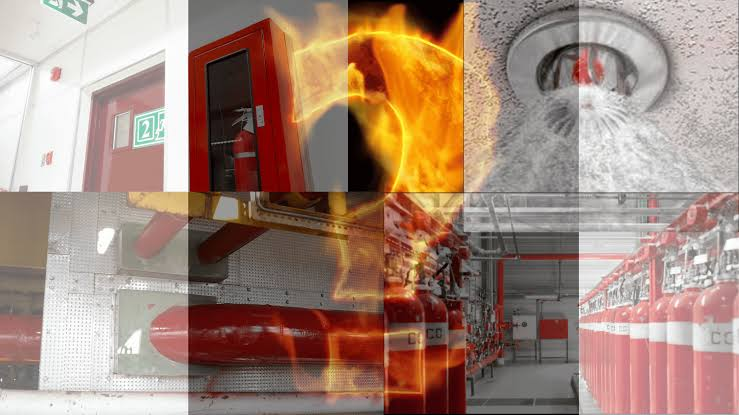
A temporary interruption can reduce the level of protection inside a building while normal safeguards are unavailable. Fire protection must remain a priority when alarms or suppression equipment are offline. Fire watch guards provide visible oversight by checking assigned areas, identifying unsafe conditions, and following established response procedures. Their presence supports safer operations as normal protective equipment is restored. Planning these duties also helps establish clear coverage expectations and estimate fire watch cost Portland requirements.
Assessing Temporary Protection Gaps
A careful review begins by identifying which protective equipment is unavailable and which areas may be affected. Fire watch guards can review access points, occupied sections, storage areas, and nearby work zones for visible hazards. Occupants should receive clear guidance about changed safety arrangements.
Identify affected areas before assigning regular patrol duties.
Review temporary hazards created by unavailable protective equipment.
Confirm accessible exits remain clear throughout the assigned period.
Establish suitable patrol routes based on building conditions.
Record changes that could affect required coverage levels.
Maintaining Visible Safety Coverage
Fire watch guards provide a consistent presence across areas where protection has been reduced. Regular patrols help identify smoke, unusual heat, blocked exits, unsafe materials, or other conditions requiring prompt action.
Assign trained guards according to the size of affected areas.
Set patrol intervals according to identified building risks.
Keep required access routes clear throughout scheduled coverage.
Position guards near areas with greater exposure risks.
Adjust coverage when building conditions change unexpectedly.
Supporting Safe Building Operations
Temporary interruptions may occur while alarms, suppression equipment, or related controls receive attention. Fire watch guards can support safe building operations by checking conditions at planned intervals and recognizing changes that need immediate action. Staff should understand the temporary arrangements before normal activities continue, making fire watch cost Portland a practical consideration when arranging dependable coverage.
Managing Access And Exit Routes
Clear movement paths remain important when normal fire protection measures are interrupted. Fire watch guards can check corridors, stairways, doors, and designated exits for visible obstructions. Occupants should know which routes remain available if an emergency occurs.
Keep exit doors accessible throughout the coverage period.
Remove visible obstructions from corridors and stairways promptly.
Check emergency paths at planned intervals without disrupting operations.
Maintain clear access near designated emergency exits.
Report blocked routes promptly through established building procedures.
Recording Conditions And Changes
Accurate records help show what conditions existed throughout the interruption period. Fire watch guards can document patrol times, observed hazards, corrective actions, and notable changes in assigned areas. Simple records support better coordination between building staff and safety personnel. They also help confirm that required duties were completed according to the temporary protection plan.
Restoring Normal Protection Safely
Normal protection should return only after the affected equipment has been checked and confirmed ready for use. Fire watch guards may continue assigned duties until authorized personnel confirm that temporary coverage is no longer required.
Confirm restored equipment has received proper operational checks.
Verify affected areas meet required safety conditions.
Notify relevant staff when normal protection resumes.
End temporary coverage only after proper authorization.
Retain records showing when regular protection returned.
Fire watch guards help maintain visible safety coverage when normal equipment cannot provide its usual protection. Managers can strengthen readiness by reviewing affected areas, keeping exits accessible, recording conditions, and confirming equipment restoration before regular arrangements resume. A practical temporary plan reduces confusion and supports safer building operations until standard safeguards become fully available again.
FAQ
What triggers temporary fire watch coverage inside buildings?
System outages can require temporary fire watch coverage until restoration.
Who determines the required fire watch coverage period?
Building managers coordinate coverage based on conditions and safety requirements.
When can temporary fire watch duties safely end?
Coverage ends after authorized personnel confirm protection has returned.
