

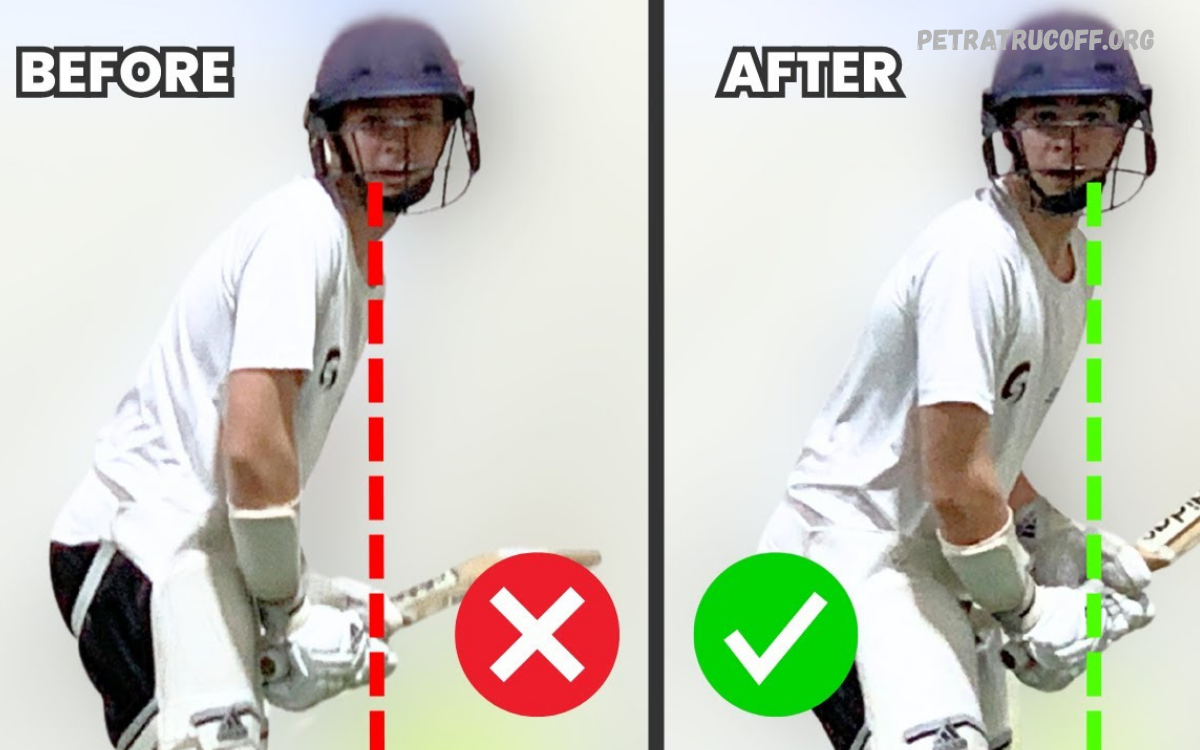
Batting head position is one of the most important fundamentals in cricket batting. A stable head helps a batter maintain balance, judge the ball accurately, and play controlled shots.
Good batting head position does not mean keeping the head completely still throughout the stroke. Instead, it means maintaining controlled movement while staying balanced and aligned with the ball. Developing this skill can improve shot selection, timing, footwork, and overall batting confidence.
What Is Batting Head Position?
Batting head position refers to where a batter places and moves their head during the stance, preparation, and execution of a cricket shot.
A balanced head allows the body to move efficiently toward the ball. If the head falls too far forward, backward, or sideways, the batter can lose balance and misjudge the length.
Why Batting Head Position Matters
A strong batting head position improves visual tracking. Cricket balls can travel at high speed, and even a small loss of balance can make it harder to judge line and length. Keeping the head controlled helps the eyes remain connected with the ball throughout its flight.
Head position also influences body alignment and shot execution. When the head is positioned correctly, the shoulders, hands, hips, and feet can work together more effectively. This coordination helps produce cleaner contact and gives the batter greater control over the direction of the shot.
Ideal Head Position During the Batting Stance
At the beginning of the stance, the head should feel comfortable and balanced rather than forced into an exaggerated position. The eyes should be level, the neck relaxed, and the head positioned naturally between the feet. This creates a stable base for movement.
The exact position can vary slightly depending on batting style, stance, and personal comfort. However, the main objective remains consistent: maintain balance and keep the eyes in a useful position for watching the bowler and ball. A relaxed setup often makes later movements more efficient.
Batting Head Position During the Bowler’s Run-Up
During the bowler’s approach, a batter should maintain a relaxed head position while preparing mentally for the delivery. Excessive movement can disturb concentration and make it harder to pick up the ball early. A quiet, controlled setup can improve visual focus.
Some batters use small trigger movements before delivery, and these can be effective when they remain controlled. The important point is that the head should not move excessively during preparation. The batter should arrive at the moment of delivery balanced and ready to respond.
Head Position When the Ball Is Released
The moment of release is crucial because the batter begins judging the ball’s trajectory, speed, and likely length. Keeping the head stable helps the eyes track the ball from the bowler’s hand. This can improve reaction time and decision-making.
A batter should avoid lifting the head too early to watch where the ball might go. The head and eyes should remain connected with the ball until contact. Watching the ball closely helps the batter recognize changes in line, bounce, movement, and pace.
Head Position During Front-Foot Shots
For front-foot shots, the head generally moves toward the ball while remaining balanced over the front side of the body. This movement helps the batter get into a strong position for drives and other attacking strokes. The head should move with the body rather than independently.
A good front-foot position allows the batter to keep the eyes close to the ball’s line. The front knee, head, and body can work together to create stability. If the head moves too far across or falls outside the base of support, the shot may become difficult to control.
Head Position During Back-Foot Shots
Back-foot shots require controlled movement away from the original stance. As the batter moves backward, the head should remain balanced and the eyes should continue tracking the ball. This is particularly important against shorter deliveries.
The head should not fall backward simply because the feet move backward. Instead, the batter should maintain a stable upper body while creating enough space for the bat to travel. Good balance helps with cuts, pulls, back-foot drives, and defensive responses.
Batting Head Position Against Fast Bowling
Fast bowling gives the batter very little time to react, making head position especially important. A balanced head can help the batter pick up the ball earlier and maintain a clear view of its trajectory. Staying relaxed can also reduce unnecessary movement.
Against pace, the batter should avoid leaning excessively toward the bowler before the ball is delivered. A controlled stance allows quicker movement in either direction. Good head position works together with footwork, hand-eye coordination, and awareness of the crease.
Batting Head Position Against Spin
Spin bowling requires careful judgment because the ball can change direction after pitching. A stable head helps the batter read the bowler’s release and assess the amount of turn or bounce. It can also support better decisions about whether to move forward or backward.
When playing spin, the batter should avoid committing the head too early. Controlled movement allows the batter to adjust after reading the ball. A balanced position makes it easier to defend, rotate the strike, or attack when the delivery provides an opportunity.
Common Batting Head Position Mistakes
One common mistake is allowing the head to fall too far forward during the stroke. This can affect balance and cause the batter to reach for the ball. Another mistake is lifting the head before contact, which can reduce visual control and lead to mistimed shots.
Excessive sideways movement is another issue. If the head moves across the ball’s line without proper body alignment, the batter may struggle to control the bat face. Identifying these habits early can make technical improvement much easier.
Head Falling Over to the Off Side
A batter may sometimes allow the head to fall toward the off side while attempting a shot. This can make balance difficult and affect the relationship between the body and bat. The result may be poor contact or a loss of control.
Improving this position requires awareness of balance and alignment. Simple shadow-batting exercises can help the batter recognize where the head moves during different strokes. Recording practice sessions can also provide useful visual feedback.
Head Falling Back During Shots
When a batter falls backward during a stroke, the body can become disconnected from the ball. This may reduce control and make it difficult to transfer weight effectively. It can also cause the batter to reach for deliveries instead of moving into position.
A better approach is to maintain a strong base and allow movement to happen naturally. The head should remain supported by the body rather than drifting independently. Practicing controlled movements at reduced speed can help develop better balance.
Keeping the Eyes Level
Level eyes are an important part of effective batting head position. When the head tilts excessively, visual judgment can become more difficult. Maintaining a relatively level gaze can help the batter assess the ball’s line and length.
This does not mean the head must remain perfectly horizontal during every shot. Cricket requires natural movement, and different deliveries demand different body positions. The goal is to maintain useful visual alignment while moving efficiently.
Batting Head Position and Hand-Eye Coordination
Head position and hand-eye coordination are closely connected. The eyes provide information about the ball, while the hands and bat respond to that information. If the head moves unpredictably, the visual information available to the batter can become less consistent.
A stable head gives the hands a better reference point for judging contact. This can improve timing and help the batter control the bat face. Repeated practice with different lengths and speeds can gradually strengthen this coordination.
Batting Head Position and Footwork
Good footwork supports good head position. When the feet move correctly, the head can remain balanced over a stable base. Poor footwork often forces the upper body to compensate, creating unnecessary head movement.
Batters should therefore avoid treating head position as an isolated skill. It should be developed alongside front-foot movement, back-foot movement, weight transfer, and shot preparation. Strong coordination between these elements creates a more reliable batting technique.
Read Also: Batting Tips for Beginners: A Complete Guide to Better Cricket Batting
How to Practice Batting Head Position
One simple practice method is shadow batting in front of a mirror. Without a ball, the batter can rehearse the stance, forward movement, backward movement, and finishing positions. The focus should be on maintaining balance and keeping the head controlled.
Another useful method is controlled throw-down practice. A coach or training partner can deliver manageable balls while the batter concentrates on watching the ball until contact. The speed can gradually increase as the batter becomes more comfortable with the correct movement.
Using Video Analysis
Video analysis can be extremely useful for improving batting head position. A recording from the side can show whether the head remains balanced during the stance, delivery, and shot. Front and rear angles can provide additional information about alignment.
The goal should not be to copy a particular professional batter’s head position exactly. Every batter has individual physical characteristics and technical preferences. Video should instead help identify unnecessary movement and create a more consistent personal technique.
Batting Head Position for Defensive Shots
Defensive batting requires patience, balance, and accurate judgment. A controlled head position helps the batter stay close to the ball and maintain a stable base. This is particularly valuable when playing deliveries close to the body.
The batter should focus on watching the ball carefully and allowing the bat to meet it under control. The head should remain connected to the movement rather than pulling away prematurely. A balanced defensive position can provide greater confidence against challenging deliveries.
Batting Head Position for Drives
Drives require strong alignment between the head, body, feet, and bat. As the batter moves forward, the head should generally move into a position that supports balance and control. This helps create a stable platform for striking through the ball.
A common mistake is reaching for the drive while leaving the head behind. This can reduce control and increase the chance of an edge. Moving the body into position before completing the stroke can create cleaner and more controlled contact.
Batting Head Position for Pull and Cut Shots
Pull and cut shots require fast judgment and efficient movement. The batter needs enough time and space to position the body while keeping the eyes focused on the ball. A controlled head position helps maintain visual awareness during this process.
For horizontal-bat shots, balance is particularly important because the body can rotate quickly. The head should remain connected to the movement rather than swinging excessively. Strong positioning allows the batter to generate power without sacrificing control.
Building Consistency Through Practice
Consistency is more important than trying to create a perfect head position immediately. Batters should focus on repeating balanced movements during regular training sessions. Over time, correct positioning can become a natural part of the batting routine.
Practice should include different bowling speeds, lengths, angles, and types of movement. This helps the batter learn how to maintain visual control in changing situations. The objective is not complete stillness but reliable balance and controlled movement.
Batting Head Position and Confidence
A reliable batting head position can contribute to greater confidence at the crease. When a batter knows how to establish balance and track the ball, there is less need to make rushed adjustments. This can support clearer decision-making.
Confidence should come from preparation rather than trying to force a particular technique. Regular practice, video feedback, and coaching can help a batter understand what works best. A comfortable and repeatable setup is often more valuable than a complicated technical adjustment.
Frequently Asked Questions
What is the ideal batting head position?
The ideal batting head position is balanced, relaxed, and aligned with the ball. The head should remain comfortably supported between the feet while the eyes track the delivery. Exact positioning can vary according to stance and individual technique.
Why is head position important in cricket batting?
Head position affects balance, visual tracking, timing, and shot control. A stable position helps the batter judge the ball more accurately and coordinate the feet, body, and bat. It is an important foundation for consistent batting.
Should the head stay completely still while batting?
No. The head should not be completely frozen because effective batting requires natural movement. The goal is controlled movement that maintains balance and visual connection with the ball throughout the stroke.
How can I improve my batting head position?
Practice shadow batting, controlled throw-downs, and regular net sessions. Video recording can also help identify unnecessary movement. Working with a qualified cricket coach can provide personalized technical feedback.
Does batting head position affect timing?
Yes, head position can influence timing because it affects visual tracking and balance. A controlled head allows the batter to judge the ball more consistently and coordinate movement with bat contact.
How should the head position change against fast bowlers?
Against fast bowling, the head should remain balanced and the eyes should stay focused on the ball. Avoid excessive movement during the bowler’s approach. A stable setup can give the batter more time to react.
How does head position help against spin bowling?
A balanced head helps the batter read the bowler’s release and judge the ball after pitching. It also supports controlled movement forward or backward. This can make it easier to respond to variations in spin, bounce, and flight.
Can poor head position cause batting mistakes?
Yes. Excessive forward, backward, or sideways movement can affect balance and visual judgment. This may contribute to mistimed shots, poor contact, or difficulty controlling the bat face.
Is batting head position the same for every player?
No. Individual stance, height, flexibility, technique, and playing style can influence head position. The important principles are balance, visual tracking, controlled movement, and effective alignment.
What is the best drill for batting head position?
Shadow batting is a simple starting drill because it allows the batter to focus entirely on movement and balance. Throw-down practice can then introduce a moving ball while maintaining attention on head position and visual tracking.
Conclusion
Focus on keeping your head balanced, your eyes level, and the ball in clear visual focus. Let your head move naturally with your body rather than trying to keep it completely frozen. Good head position should support movement rather than restrict it.
Practice the skill through shadow batting, throw-downs, net sessions, and video analysis. Work on the relationship between head position, footwork, balance, and bat movement. With consistent practice, a controlled batting head position can become an automatic part of a strong batting technique.
