

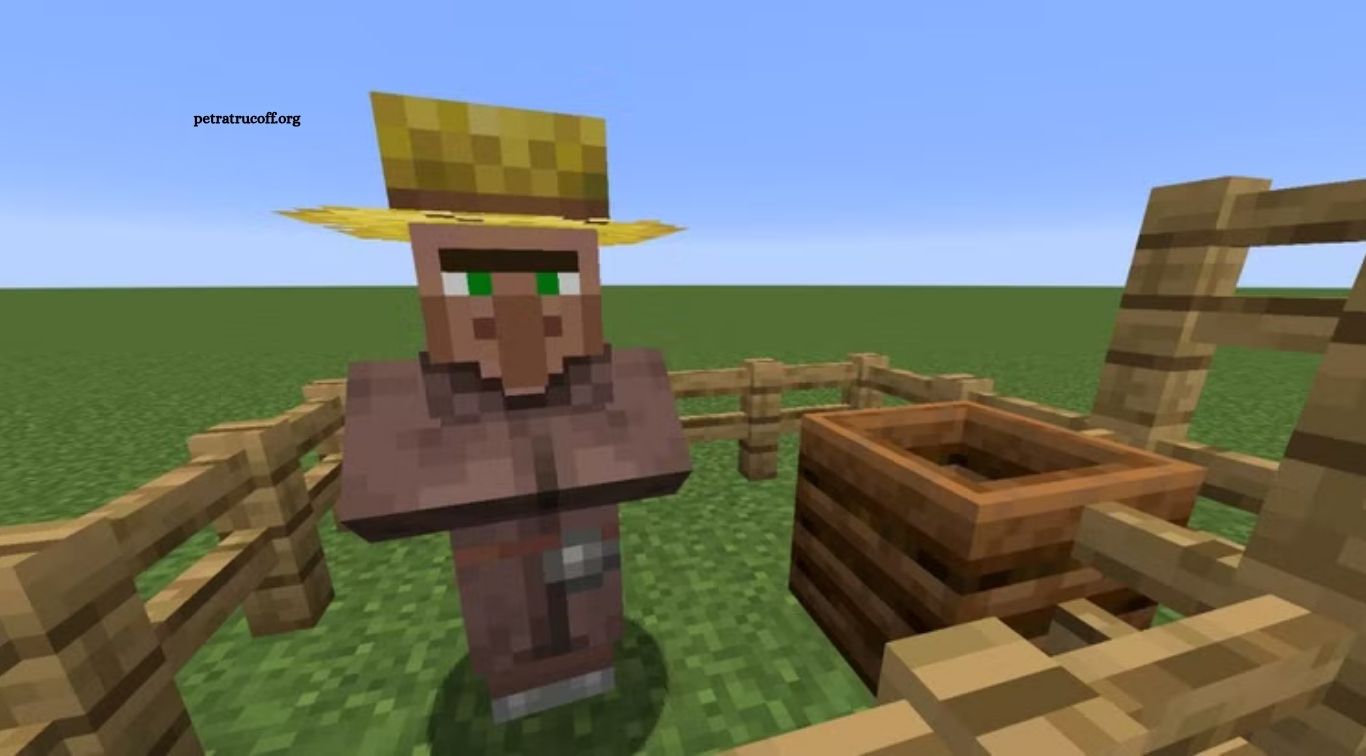
Minecraft villager trading offers one of the most reliable ways to obtain valuable items, enchanted gear, emeralds, and essential resources without depending entirely on mining or exploration. Understanding how villager professions, trades, discounts, restocking, and workstations function can transform a simple village into a powerful trading hub.
Whether you are starting a new survival world or building an advanced Minecraft base, learning the Minecraft villager trading system can save considerable time and resources. With the right villagers and carefully selected trades, players can obtain enchanted books, diamond equipment, food, building materials, and other useful items throughout their survival journey.
Read More: Best Minecraft Farms for Unlimited Resources
How Villager Trading Works in Minecraft
Villagers offer different trades based on their professions. Each profession has its own workstation and specializes in particular items. A librarian focuses heavily on books and paper-related trades, while a farmer provides food and agricultural resources. Armorer, toolsmith, and weaponsmith villagers can become especially useful for obtaining diamond equipment.
Trading begins when a player interacts with a villager. The trading interface displays available offers, the required items, and the resulting reward. Emeralds function as the primary currency for most villager trades, although many trades involve exchanging ordinary resources for emeralds first.
Villagers have limited trade quantities. Once an offer becomes exhausted, the villager needs access to its workstation to restock. This mechanic makes workstation placement important when creating a dedicated trading area.
Minecraft Villager Professions Explained
Villager professions determine the type of trades available. Farmers are popular early-game villagers because crops such as wheat, carrots, potatoes, and pumpkins can provide a steady supply of emeralds. Librarians are highly valuable because they can provide enchanted books and other useful items.
Armorer villagers specialize in armor, while toolsmiths offer tools and weaponsmiths provide weapons. Clerics can trade various items associated with magical and Nether-related resources, making them useful as a survival world develops.
Fishermen, fletchers, leatherworkers, masons, shepherds, cartographers, and butchers also provide specialized trades. Choosing professions based on your current resources and long-term goals makes villager trading much more efficient.
Best Villagers for Trading
Librarians are often considered among the most valuable villagers in Minecraft because enchanted books can significantly improve equipment. Useful enchantments can reduce durability problems, increase mining efficiency, improve combat performance, or add important abilities to armor and tools.
Farmers are excellent for generating emeralds because farms can produce large quantities of renewable crops. Fletchers can also become useful when players have access to large amounts of sticks, allowing simple wood resources to be converted into emeralds.
Armorer, toolsmith, and weaponsmith villagers can provide enchanted diamond equipment, reducing the need to spend large amounts of time mining diamonds and manually enchanting every piece of gear.
How to Get the Trades You Want
A villager’s profession can be influenced by placing the appropriate workstation nearby. An unemployed villager can claim an available workstation and become associated with that profession.
For villagers whose trades have not been locked through trading, players can sometimes change the available offers by removing and replacing the workstation. This technique is particularly useful when searching for desirable librarian enchantments.
Once a player completes a trade with a villager, that villager’s profession and trade progression become locked. Because of this, it is important to inspect the available offer before completing the first trade when trying to create a specific trading setup.
How Villager Trading Discounts Work
Minecraft villagers can offer lower prices under certain circumstances. One of the most powerful ways to obtain significant discounts involves curing a zombie villager. A cured villager can provide improved prices, although the exact mechanics and strength of discounts have changed across Minecraft updates.
Hero of the Village can also provide trading benefits after completing a raid. The effect can temporarily improve the prices offered by villagers, making it useful when buying large quantities of valuable items.
Building a trading system around discounted villagers can greatly reduce the amount of emeralds required for important purchases.
How to Make an Efficient Villager Trading Hall
A well-designed villager trading hall should make every villager easy to access while keeping workstations organized. Each villager needs an appropriate workstation to perform its profession and restock trades.
Spacing, lighting, transportation, and protection are important when designing the area. Villagers should be protected from hostile mobs, accidental damage, and unwanted movement. Many players place villagers in individual trading cells so each workstation and villager can be managed independently.
An organized trading hall also makes it easier to identify specific professions and quickly locate important trades. Labeling or visually separating sections can improve usability when a world contains dozens of villagers.
How Villagers Restock Trades
Villagers restock their trades by working at their assigned workstations. If a trade becomes unavailable, the villager generally needs access to its workstation during its working schedule.
If a villager refuses to restock, checking the workstation connection is a useful first step. Other villagers may have claimed nearby workstations, or the villager may not have proper access to its assigned block.
Keeping workstations close to the correct villagers makes trading systems more reliable and easier to manage.
Minecraft Villager Trading and Emerald Farming
Emeralds are central to the villager economy, but players do not necessarily need to find emerald ore to maintain a successful trading operation. Renewable resources can be converted into emeralds through suitable villager trades.
Large crop farms work particularly well with farmer villagers. Wood can support stick-based trades with fletchers, while other renewable resources can become profitable depending on the villager professions available in the world.
This creates an efficient survival cycle where farms generate resources, villagers convert those resources into emeralds, and emeralds purchase valuable equipment and enchanted books.
Trading Villagers for Enchanted Books
Enchanted books are one of the biggest reasons experienced Minecraft players create villager trading halls. Librarians can provide powerful enchantments that can then be applied to weapons, armor, tools, and other compatible items using an anvil.
A good librarian can dramatically improve a player’s progression. Instead of repeatedly relying on random enchantment-table results, players can work toward specific enchantments through villager trading.
When building an advanced trading hall, prioritizing useful enchantments can make the entire survival experience more convenient. Players should consider their preferred playstyle, equipment, and long-term projects when deciding which librarian trades are worth keeping.
Villager Trading Tips for Survival Players
Successful villager trading depends more on organization than complicated mechanics. Protect villagers early, keep workstations accessible, and avoid completing unwanted trades before checking available offers.
It is also useful to maintain a steady source of emerald-producing resources. Farming, wood collection, and other renewable-resource systems can keep trading operations active without requiring constant exploration.
Players should also remember that Minecraft mechanics can differ between Java Edition and Bedrock Edition, while updates may change specific trading behavior. When building a large trading hall, checking the mechanics of the Minecraft version being played can prevent unexpected results.
Why Villager Trading Matters in Minecraft
Villager trading is more than a convenient way to purchase items. It creates an entire renewable economy within a survival world. Players can turn basic resources into emeralds and then use those emeralds to obtain equipment, enchantments, food, maps, and other useful items.
A properly developed villager trading system can reduce the pressure of resource gathering and provide reliable access to items that might otherwise require considerable exploration or luck.
For new players, starting with farmers and simple emerald trades is an excellent introduction to the system. As the world develops, adding librarians, armorers, toolsmiths, and weaponsmiths can create a powerful trading network capable of supporting nearly every stage of Minecraft survival.
Frequently Asked Questions
What is villager trading in Minecraft?
Villager trading lets players exchange items and emeralds for useful resources, gear, and enchanted books.
Which villager is best for trading?
Librarians are highly valuable because they can offer powerful enchanted books.
How do villagers restock trades?
Villagers restock by accessing and working at their assigned workstation.
How can I get cheaper villager trades?
Curing zombie villagers can provide significant trading discounts.
How do I change a villager’s trades?
Before trading with the villager, remove and replace its workstation to refresh its available offers.
Are villager trades different between Java and Bedrock?
Yes. Some villager trading mechanics and trade details can differ between Minecraft Java Edition and Bedrock Edition.
Conclusion
Minecraft villager trading provides a reliable way to obtain valuable resources, enchanted books, emeralds, and powerful equipment. By understanding villager professions, workstations, trade restocking, and discounts, players can create an efficient trading system for long-term survival. With the right villagers and proper organization, trading can make Minecraft progression easier, faster, and more rewarding.

1 comentario
Pingback: Top Hidden Minecraft Features You May Have Missed - PetraTrucoff