

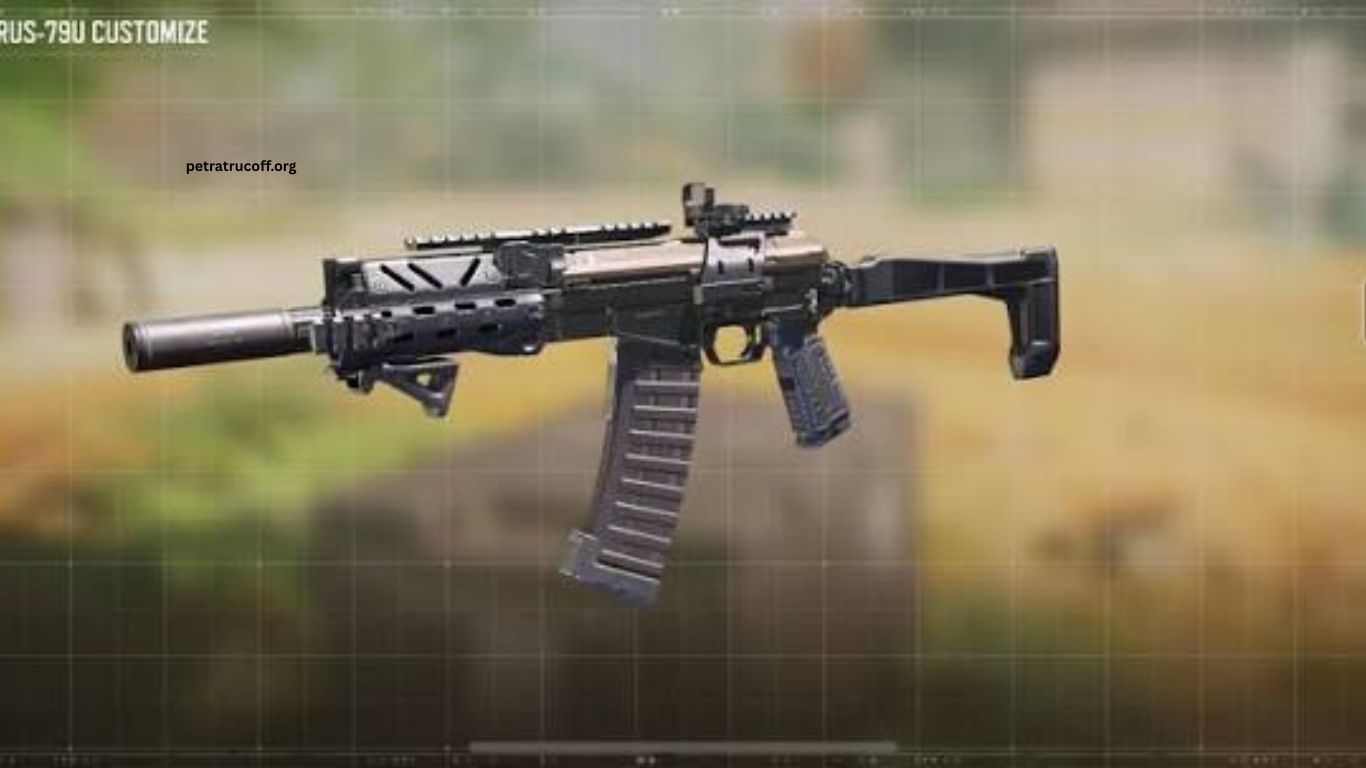
Choosing the best gun for close-range and long-range battles depends on accuracy, range, handling, recoil, and the environment. Different firearms are designed around different performance characteristics, making it important to understand their general strengths rather than treating one platform as ideal for every situation.
Close-range encounters generally place greater emphasis on maneuverability and rapid handling, while long-range shooting places more importance on precision, stability, optics, and consistent performance. Understanding these differences can help readers make informed decisions in sporting, recreational, or gaming contexts.
Read More: Upcoming Free Fire MAX Features and Leaks
Understanding Close-Range and Long-Range Firearms
Firearms used at shorter distances are generally valued for compact handling and quick target acquisition. Larger firearms designed around precision shooting tend to prioritize stability, sighting systems, and accuracy over maneuverability.
The right choice therefore depends heavily on the intended legal and recreational purpose. Competitive shooting, hunting, target practice, and video games each have different requirements, rules, and equipment considerations.
Close-Range Firearms
Close-range firearms are commonly associated with compact designs and faster handling. Their practical characteristics can include shorter overall dimensions, easier movement, and quicker sight alignment.
In competitive or sporting environments, shooters often evaluate equipment according to controllability, ergonomics, reliability, and competition regulations. Personal safety, appropriate training, and range rules remain more important than simply selecting a particular firearm.
In gaming, close-range weapons usually include shotguns, compact automatic weapons, or other high-damage options. Their effectiveness often depends on movement, reaction time, and the game’s specific mechanics.
Long-Range Firearms
Long-range firearms emphasize precision and stability. Sporting rifles designed for distance shooting may incorporate specialized optics, adjustable stocks, and other features intended to support consistent target shooting.
Long-distance performance also depends on ammunition characteristics, environmental conditions, shooter skill, and the quality of the sighting system. For this reason, simply choosing a firearm marketed as long-range does not guarantee accurate results.
In video games, long-range weapons usually include sniper rifles and designated marksman-style weapons. Players typically benefit from patience, positioning, and understanding bullet-drop mechanics within the particular game.
Close-Range vs Long-Range Performance
The major difference between close-range and long-range firearms comes down to their intended role. Close-range equipment generally prioritizes maneuverability and fast handling, while long-range equipment focuses more heavily on precision and stability.
| Feature | Close Range | Long Range |
|---|---|---|
| Main priority | Handling | Precision |
| Typical design focus | Compactness | Stability |
| Target distance | Short | Extended |
| Important factor | Fast target acquisition | Consistent accuracy |
| Common gaming examples | Shotguns, compact weapons | Sniper and marksman weapons |
Factors to Consider
Purpose should be the first consideration when evaluating any firearm. Sporting use, hunting, professional applications, and gaming have completely different requirements.
Accuracy, reliability, ergonomics, maintenance requirements, legal restrictions, and training opportunities can also influence an appropriate choice. Buyers should always follow local firearm laws and obtain professional instruction before handling a real firearm.
For gaming, players can instead focus on damage, range, recoil behavior, reload speed, mobility, and attachment options provided by the game.
Safety and Responsible Ownership
Responsible firearm ownership requires appropriate training, secure storage, legal compliance, and careful handling. Firearms should never be treated as ordinary consumer products, and inexperienced users should seek qualified instruction before handling them.
Safe storage also helps prevent unauthorized access and accidental incidents. Local laws can differ considerably, so prospective owners should consult the relevant authorities and follow all applicable regulations.
Best Choice for Different Situations
There is no universally best gun for every distance or purpose. Close-range applications generally favor maneuverability, while long-range applications emphasize precision and stability.
For gaming, the best weapon depends on the map, game mode, player strategy, and weapon balance. For real-world sporting activities, the appropriate choice should be determined by the discipline, regulations, training level, and guidance from qualified professionals.
Frequently Asked Questions
What are close-range firearms?
Close-range firearms are generally designed for maneuverability, quick handling, and shorter-distance shooting.
What are long-range firearms?
Long-range firearms emphasize accuracy, stability, and precision at extended distances.
Which firearm is best for every range?
There is no single firearm that is ideal for every distance or purpose.
What matters most for long-range shooting?
Accuracy, stability, optics, ammunition, and shooter skill are important factors.
What matters most for close-range shooting?
Handling, maneuverability, controllability, and quick target acquisition are key considerations.
Is firearm training important?
Yes. Proper training, safe storage, and compliance with local laws are essential for responsible firearm ownership.
Conclusion
The best guns for close-range and long-range battles depend on the environment, purpose, and performance requirements. Close-range platforms generally emphasize handling and quick target acquisition, whereas long-range firearms focus on stability and precision. For real-world firearms, responsible ownership, professional training, secure storage, and compliance with local laws should always come first.
