

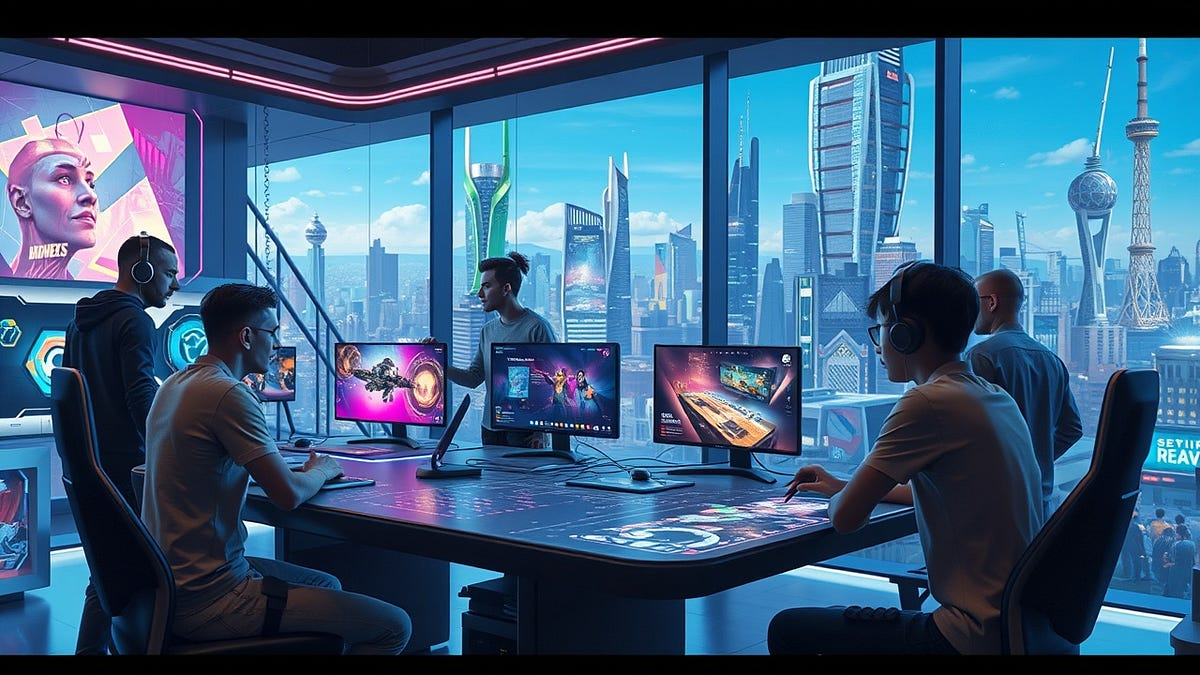
The modern gaming industry has reached a point where a successful game can become much more than a digital product. A strong title can develop its own identity, attract a dedicated community, inspire merchandise, generate media opportunities, and create partnerships with companies outside the traditional gaming sector. This transformation has changed the way businesses think about games. Instead of seeing a release as the final product, companies increasingly view it as the foundation of a much larger commercial ecosystem.
This approach has created new opportunities for both major publishers and independent studios. A well-established gaming brand can continue generating value through multiple channels while strengthening its relationship with its audience. The most successful businesses understand that this process begins with a compelling game but does not necessarily end with it.
A Game Can Become a Brand
The strongest games often develop recognizable identities.
Characters, visual styles, fictional worlds, logos, music, and distinctive gameplay can become associated with a particular brand. Once that identity becomes familiar, the company has opportunities to introduce the property into other areas.
This is similar to what happens in film, television, and sports. Audiences do not always connect with a single product; they connect with an identity.
For gaming businesses, building that identity can create long-term commercial value.
Intellectual Property Has Long-Term Potential
Intellectual property is one of the most valuable assets a gaming company can develop.
A successful fictional character or game universe can potentially appear in sequels, expansions, merchandise, animated projects, books, collaborations, and other forms of media.
The important point is that the original game ormas188 provides the foundation.
If players become emotionally connected to a particular world or character, they may remain interested even when the original game is no longer the newest release.
This gives companies an opportunity to develop a brand across multiple stages rather than depending entirely on one launch.
Partnerships Are Changing Gaming
Gaming businesses are increasingly working with companies from outside the traditional industry.
Fashion brands, technology companies, entertainment studios, food companies, sports organizations, and artists have all found ways to connect their products with gaming audiences.
These partnerships can take many forms. A company might create special in-game content, launch a limited-edition product, sponsor an event, or collaborate on promotional campaigns.
When the partnership feels natural, both businesses can benefit from reaching audiences they might not otherwise attract.
The Value of Limited Releases
Limited-time content can create a sense of occasion around a gaming brand.
Special events, seasonal themes, collaborative items, and temporary experiences can encourage audiences to return to a game.
From a business perspective, these events can also create moments when attention around a title increases.
However, companies need to be careful not to overwhelm players with constant promotions. If every week is presented as a major event, the sense of importance can disappear.
Good commercial planning is often about knowing when to create excitement and when to allow the product to speak for itself.
Merchandise Extends the Gaming Experience
A popular game does not have to remain inside a screen.
Characters and artwork can appear on clothing, collectibles, accessories, posters, toys, and other products.
Merchandise provides another revenue stream, but it can also strengthen the emotional relationship between a player and a gaming brand.
A physical product can turn a digital interest into something people display or collect.
For companies, this means strong character design and visual identity can have value beyond gameplay.
Esports Creates Commercial Opportunities
Competitive gaming has created another path for brands to expand.
Professional tournaments can attract audiences both online and in physical venues. Teams, players, sponsors, broadcasters, and organizers all contribute to the surrounding business ecosystem.
Sponsors can gain visibility by associating their brands with popular competitions and gaming communities.
For game developers, competitive events can increase attention around a title while creating opportunities for long-term community development.
Not every game can become an esports product, but competitive gaming demonstrates how a well-designed title can develop an audience beyond ordinary gameplay.
Content Creators Are Part of the Business Ecosystem
The rise of gaming creators has changed traditional marketing.
Players increasingly discover games through videos, live streams, reviews, tutorials, and social media rather than through advertisements alone.
A creator can introduce a game to thousands or millions of viewers in a way that feels more personal than conventional advertising.
This has created a new relationship between developers and content creators.
Businesses need to understand that creators are not simply advertising channels. They are also community figures whose credibility depends on maintaining trust with their audiences.
Events Can Turn Games Into Experiences
Gaming conventions, tournaments, launch events, exhibitions, and community gatherings can give audiences an opportunity to experience a brand beyond the game itself.
Physical events can generate publicity while creating memorable interactions between companies and their communities.
Digital events can serve a similar purpose for international audiences.
The business value of an event is therefore not limited to ticket sales. It can generate media attention, social content, partnerships, and stronger community engagement.
Cross-Media Expansion
Some gaming brands eventually move into other entertainment formats.
A successful game universe can inspire animated series, films, novels, comics, or music projects.
This creates opportunities to introduce the brand to audiences who may never have played the original game.
However, cross-media expansion carries risks. A project that fails to respect the identity of the original game can disappoint existing fans.
Successful expansion usually depends on understanding what made the original property valuable in the first place.
Community Ownership of Culture
One of the most interesting characteristics of gaming brands is that communities help shape their identity.
Players create memes, artwork, videos, modifications, discussions, fan theories, and other forms of content.
This activity can make a game feel larger than the product created by the developer.
From a business perspective, community participation can create organic visibility. Players effectively become part of the cultural conversation surrounding a game.
Companies that understand this dynamic often focus on encouraging creativity rather than attempting to control every aspect of the community.
Independent Developers Have New Opportunities
Brand expansion is not limited to major publishers.
Independent studios can also build recognizable identities around distinctive games.
A small team may create a unique visual style or memorable concept that attracts a dedicated audience. If the game develops a strong following, the studio can expand through additional releases, merchandise, collaborations, or licensing opportunities.
Digital distribution has made this process more accessible because smaller companies can reach international audiences without relying entirely on traditional retail channels.
Reputation Is More Valuable Than Short-Term Attention
Expanding a gaming brand creates opportunities, but it also creates responsibility.
Players remember how companies treat their communities.
Poor communication, aggressive monetization, security problems, or disappointing partnerships can damage years of brand development.
For this reason, long-term reputation should be considered alongside short-term revenue.
A company that consistently delivers quality and communicates honestly is more likely to retain its audience when the market becomes increasingly competitive.
The Next Generation of Gaming Businesses
The future gaming company may look very different from the traditional game publisher.
Instead of focusing on individual releases, businesses may manage entire ecosystems involving games, media, creators, communities, merchandise, events, and technology.
Artificial intelligence, virtual reality, cloud services, and digital distribution could accelerate this transformation.
The most valuable gaming brands may become platforms for multiple experiences rather than single products.
Conclusion
The business of gaming is expanding beyond the boundaries of gameplay. Successful titles can become recognizable brands with opportunities across merchandise, partnerships, competitive events, content creation, entertainment, and community experiences.
This shift creates enormous commercial potential, but it also changes what companies must manage. A strong game can attract attention, yet a strong brand requires consistency, creativity, communication, and trust.
The future of the gaming business will therefore not be defined only by who creates the biggest or most technically advanced game. It will also be shaped by companies that understand how to build lasting identities around their products and create genuine value for the communities that support them.
