

A new customer walks in, and when you ask how they found you, they say ChatGPT recommended you. It’s a nice moment, until you realise the same tool could just as easily have sent them to the business two streets over, and you have no idea why it chose you.
More of your customers are asking it. ANU’s national study of AI adoption, published in July 2026 after surveying more than 3,500 adults, found that 48.6% of Australians have used generative AI. Plenty of them now ask ChatGPT what they once typed into Google: a good plumber in Marrickville, a physio in Parramatta that takes walk-ins, a laptop repair near Central.

For local questions, AI assistants now reply with a short list of named businesses instead of ten blue links.
Alt text: A smartphone on a café table showing an AI assistant’s list of recommended local businesses
ChatGPT’s recommendations aren’t random, and nobody can buy a place in them. For local questions it reads the live web and chooses from what it finds. Below you’ll find how that process works, the five signals that decide which Sydney businesses get named, and a 30-minute check you can run this week.
What Happens When Someone Asks ChatGPT for a Local Business
Ask ChatGPT for «a good mechanic in Brookvale» and the answer doesn’t come from memory. The model recognises a local, commercial question, runs a web search, reads the pages that come back, and writes a short reply naming a few businesses with links to its sources.
It searches the live web first
ChatGPT’s training data is months old, so it can’t reliably know which cafés opened or closed last quarter. For anything local, it goes looking. What it can find and read in that moment counts for more than anything written about you years ago.
Why Bing matters more than you’d expect
Many Sydney businesses have spent years on Google and ignored Bing. That’s now a gap, because ChatGPT’s live results lean heavily on Bing’s index, and Bing takes business details from its own listings. If you haven’t yet, claim your listing on Bing Places. It can import your details from your Google Business Profile, so the job takes about ten minutes.
Location changes the answer
When a user shares their location, ChatGPT can narrow «near me» questions to their suburb. Someone in Bondi and someone in Penrith asking the same thing will see different businesses. Your suburb and service area need to read the same way everywhere you’re listed.
The Five Signals ChatGPT Weighs Before It Names a Business
ChatGPT rarely trusts a single source. It cross-checks your details across several places, and a business that appears in only one of them seldom makes the shortlist.
| Signal | Where ChatGPT reads it | What to check |
| Crawl access | Your robots.txt and server settings | OpenAI’s search crawler isn’t blocked |
| Consistent details | Your website, Bing Places, Google Business Profile, directories | Name, address, phone and hours match exactly |
| Independent mentions | Local news, industry associations, community sites | A few sites you don’t control mention you |
| Reviews | Google, Bing, industry review platforms | Recent, genuine reviews that describe specific services |
| Pages that answer the question | Your service and location pages | One clear page per core service, stating where you work |
The five signals, and where each one comes from.
1. Crawl access
If ChatGPT’s crawler can’t read your site, it can’t recommend you, however good the site is. Some security plugins and hosting firewalls block unfamiliar bots by default, which shuts you out without anyone noticing.
2. Consistent business details
ChatGPT compares your name, address, phone number and trading hours across sources. If your website says Surry Hills and your Bing listing still shows the old Redfern address, it has a reason to doubt both. Structured data helps here, and Google’s guidance on local business markup shows how to label those details so machines can read them without guessing.
3. Independent mentions
A business that only talks about itself is hard to verify. A story in the local paper, a listing in a council business directory or a spot on an industry association’s member page gives ChatGPT outside confirmation that you exist and do what you say.
These mentions are easier to earn than they sound. Joining your local chamber of commerce, sponsoring a junior sports team, answering a journalist’s request for comment or getting listed by a trade association each creates a page that names you. You won’t need a marketing budget for any of it, just a few hours spread across a couple of months.
4. Reviews
AI answers often summarise what reviewers say. A review that mentions the actual job («fixed our hot water system the same day») gives it much more to work with than a row of five-star ratings with no text.
5. Pages that answer the question
If someone asks for an emergency dentist in Chatswood and your site has one general services page, ChatGPT has little to quote. A dedicated page covering what you do, where you do it and when you’re available is much easier to cite.

Your street address is one signal among several. ChatGPT looks for the same details confirmed by independent sources.
Alt text: An independent shopfront on a leafy inner Sydney street at golden hour
Can You Stop ChatGPT Training on Your Site Without Disappearing From It?
Yes, and plenty of business owners get this wrong. OpenAI runs separate crawlers for separate jobs. OpenAI’s documentation on its search crawler explains that GPTBot gathers content for training models, while OAI-SearchBot is the one that surfaces sites in ChatGPT’s search answers. A site that blocks OAI-SearchBot won’t appear in those answers.
Because the two are controlled separately, you can opt out of training and still be recommended. Your robots.txt would look like this:
User-agent: GPTBot
Disallow: /
User-agent: OAI-SearchBot
Allow: /
OpenAI says a change takes about 24 hours to register. Blocking AI bots wholesale with a single line is a quick way to vanish from the answers your customers are reading.
A 30-Minute AI Visibility Check for Sydney Businesses
You don’t need specialist tools for a first pass. Set aside half an hour and work through these steps:
- Ask the question your customers ask. Open ChatGPT and type the query a customer would use, including your suburb. Note who gets named and which sources are linked.
- Check your robots.txt. Visit yourwebsite.com.au/robots.txt and look for any line blocking OAI-SearchBot or all bots.
- Claim or fix your Bing listing. Make sure it matches your Google Business Profile exactly.
- Audit your details. Search your business name and compare the address, phone number and hours across the first ten results.
- List your independent mentions. If you can’t find at least three sites you don’t control that mention you, start there.
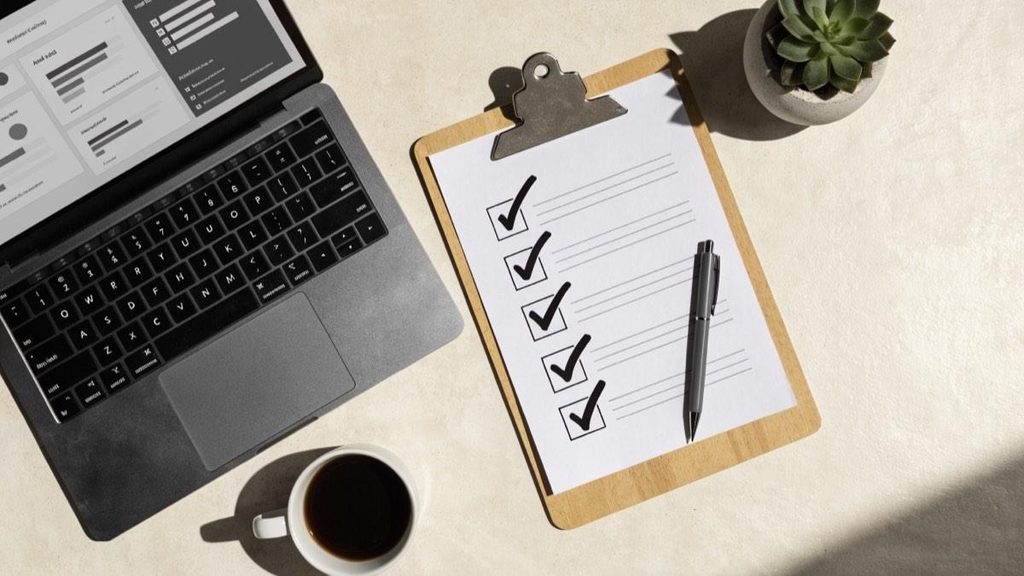
A first AI visibility check takes about half an hour and needs no paid tools.
Alt text: A tidy desk with a laptop and a paper checklist with ticked boxes
If step 1 keeps naming the same two or three competitors, the gap usually sits in signals three to five, which take longer to close. That’s often when businesses look for outside help. Search for AI SEO services Sydney and most of the specialists you find will begin with these same checks, then build the pages and independent mentions that are missing.
What ChatGPT Doesn’t Reward
A few shortcuts get pitched to business owners, and they tend to backfire.
Fake or incentivised reviews
AI systems can discount them, and they’re illegal. The ACCC’s rules on online reviews make it clear that businesses can’t write, commission or selectively hide reviews, and the penalties are serious.
Pages stuffed with suburb names
One page listing 60 suburbs gives ChatGPT very little to quote. A handful of genuine pages for the areas you actually serve works better.
Paying for a recommendation
ChatGPT’s organic answers aren’t for sale. A service promising a guaranteed spot in them is selling something it doesn’t control.
Where to Start This Week
ChatGPT recommends the Sydney businesses it can find, read and verify. It searches the live web, leans on Bing, compares your details across sources and favours businesses that other people write about.
Most of what decides whether you get named is in your hands, and the first pass costs only half an hour. Run the 30-minute check this week, starting with the question your customers actually ask. If a competitor keeps getting named ahead of you, you’ll know which of the five signals to work
