

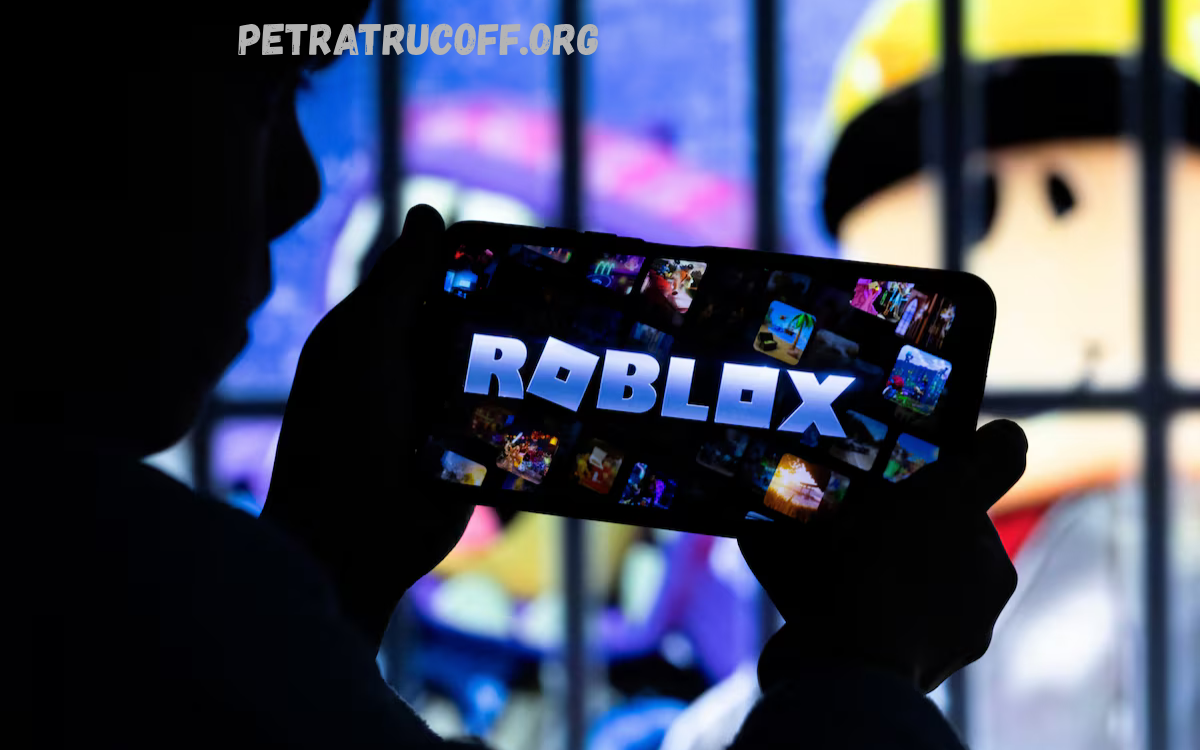
The future of cloud gaming is set to transform how players experience popular games such as Minecraft and Roblox. As internet infrastructure continues to improve and cloud technology advances, gamers will no longer need expensive hardware to enjoy high-quality gameplay. Instead, games will run on powerful remote servers and be streamed directly to smartphones, tablets, laptops, and smart TVs.
For Minecraft and Roblox, cloud gaming offers significant opportunities. Players will be able to access their worlds and creations instantly from any device, making gaming more flexible and accessible. Large multiplayer experiences could become smoother, with reduced hardware limitations and faster updates delivered through cloud platforms.
Understanding Cloud Gaming Technology
Cloud gaming refers to technology that allows games to run on remote data centers rather than on local devices. Video streams travel from servers to users, while player inputs travel back to the cloud infrastructure. This process enables demanding applications without requiring powerful processors or graphics cards on individual devices.
Continuous improvements across server architecture, networking protocols, and compression technologies strengthen cloud gaming capabilities. Lower latency, faster response times, and improved visual quality contribute to smoother gameplay experiences. These developments lay the foundation for large-scale gaming ecosystems such as Minecraft and Roblox.
Why Minecraft and Roblox Fit Cloud Gaming Perfectly
Minecraft and Roblox already attract millions of active users across diverse demographics. Both platforms emphasize creativity rather than purely graphical realism. This characteristic makes cloud delivery particularly effective because gameplay value depends heavily upon interaction, imagination, and collaboration.
Cross-platform compatibility already exists across many versions of Minecraft and Roblox. Cloud gaming extends this advantage further by creating seamless experiences across smartphones, tablets, laptops, smart televisions, and lightweight devices. Players gain access without hardware limitations traditionally associated with gaming.
Increased Accessibility Across Global Markets
Accessibility represents one of the strongest advantages connected with future cloud gaming adoption. Many regions lack widespread access to expensive gaming hardware. Cloud infrastructure creates opportunities allowing players with modest devices to participate within advanced gaming environments.
Minecraft and Roblox communities continue expanding throughout emerging markets. Cloud gaming reduces financial barriers while increasing platform reach. Greater accessibility encourages larger communities, stronger engagement, and expanded opportunities for creators, educators, and developers operating within these ecosystems.
Enhanced Performance Without Hardware Constraints
Traditional gaming experiences often depend upon processor speed, memory capacity, and graphics performance. Many players encounter limitations when attempting complex builds, large multiplayer servers, or advanced experiences. Cloud gaming shifts computational demands toward powerful remote servers.
Future cloud gaming environments may support larger Minecraft worlds, more detailed Roblox experiences, and improved simulation systems. Advanced rendering capabilities could become available across devices previously unable to support demanding gameplay requirements. Enhanced performance creates richer experiences for both casual and dedicated users.
Impact of 5G and Advanced Network Infrastructure
Network quality plays a critical role within cloud gaming success. Earlier internet technologies often produced latency challenges capable of affecting responsiveness and user satisfaction. Emerging connectivity solutions significantly improve performance standards.
5G networks, fiber-optic expansion, and edge computing infrastructure reduce delays while increasing bandwidth availability. These advancements benefit Minecraft and Roblox users through smoother interactions, faster loading times, and more responsive multiplayer environments. Improved connectivity strengthens overall gaming quality while supporting future innovations.
Evolution of Multiplayer Experiences
Multiplayer gaming remains central to both Minecraft and Roblox communities. Players collaborate, compete, build, and socialize through shared virtual environments. Cloud gaming enhances these experiences through scalable infrastructure capable of supporting larger populations.
Future platforms may enable persistent virtual worlds accommodating significantly higher participant counts. Large-scale events, educational gatherings, virtual concerts, and interactive communities could operate more efficiently through cloud-powered systems. Enhanced scalability expands possibilities beyond current technical limitations.
User-Generated Content and Cloud Integration
User-generated content drives success across Minecraft and Roblox ecosystems. Millions of creators develop maps, worlds, games, educational experiences, and entertainment content. Cloud technology strengthens creation tools through centralized resources and improved collaboration capabilities.
Future development environments may leverage cloud processing for real-time editing, asset generation, testing, and deployment. Creators gain access to professional-grade capabilities without investing in expensive workstations. This democratization encourages innovation while increasing participation across creator communities.
Artificial Intelligence and Cloud Gaming Innovation
Artificial intelligence increasingly influences gaming development. Cloud infrastructure provides computational resources necessary for advanced AI systems operating within large gaming environments. Minecraft and Roblox stand positioned to benefit significantly from these innovations.
Future experiences may include intelligent non-player characters, adaptive environments, automated moderation systems, and personalized recommendations. AI-driven tools could assist creators during world-building processes while improving player engagement. Combined cloud and AI technologies establish powerful foundations supporting next-generation gaming experiences.
Educational Applications and Learning Opportunities
Minecraft and Roblox already support educational initiatives across schools, universities, and training organizations. Interactive environments encourage creativity, problem-solving, collaboration, and digital literacy development. Cloud gaming expands educational accessibility significantly.
Students gain opportunities to access learning environments through basic devices connected to internet services. Educational institutions avoid substantial hardware investments while maintaining high-quality digital experiences. Cloud-based educational platforms may become increasingly important within modern learning ecosystems.
Economic Opportunities for Creators
Creator economies continue growing throughout digital entertainment industries. Minecraft builders, Roblox developers, content creators, educators, and influencers generate revenue through diverse monetization models. Cloud gaming contributes additional opportunities supporting economic growth.
Expanded accessibility increases audience sizes, engagement levels, and purchasing activity. Larger user populations create stronger marketplaces supporting digital assets, premium experiences, subscriptions, and virtual goods. Economic ecosystems surrounding Minecraft and Roblox may experience substantial expansion through widespread cloud adoption.
Security Improvements Through Centralized Infrastructure
Security concerns affect both developers and players within online gaming ecosystems. Device vulnerabilities, software manipulation, and unauthorized modifications create challenges across traditional gaming environments. Cloud gaming offers several advantages regarding protection and control.
Centralized infrastructure allows stronger monitoring, faster updates, and improved security management. Sensitive processing remains within protected server environments rather than user devices. Enhanced security contributes toward safer experiences while protecting intellectual property and user data.
Read Also: Top Esports Scenes in Free Fire / Roblox
Challenges Facing Future Cloud Gaming Growth
Despite significant advantages, cloud gaming faces challenges requiring ongoing attention. Internet availability remains inconsistent across many regions. Bandwidth limitations, service interruptions, and latency concerns can impact user experiences.
Infrastructure investment requirements remain substantial. Data centers consume significant energy while requiring continuous upgrades. Companies supporting cloud gaming ecosystems must balance performance, sustainability, and operational costs. Successful long-term growth depends upon addressing these challenges effectively.
Environmental Considerations
Sustainability increasingly influences technology development strategies. Cloud gaming reduces hardware replacement cycles because users rely less upon powerful local devices. Extended device lifespans may contribute toward reduced electronic waste.
However, large-scale cloud infrastructure requires considerable energy resources. Future advancements likely emphasize renewable energy integration, efficient cooling systems, and environmentally responsible operations. Sustainable innovation remains essential for long-term cloud gaming success.
Future Innovations Expected During Coming Years
Several emerging technologies may accelerate cloud gaming evolution. Edge computing brings processing resources closer toward users, reducing latency and improving responsiveness. Advanced compression technologies improve streaming quality while minimizing bandwidth requirements.
Virtual reality, augmented reality, machine learning, and procedural content generation may integrate more deeply with Minecraft and Roblox experiences. These innovations create opportunities supporting immersive, dynamic, and highly personalized virtual environments capable of redefining digital entertainment.
Long-Term Outlook for Minecraft and Roblox
Future of cloud gaming for Minecraft / Roblox appears exceptionally promising. Both platforms possess strong communities, flexible ecosystems, and proven engagement models. Cloud infrastructure complements existing strengths while enabling broader accessibility and greater technological innovation.
As connectivity improves and cloud technologies mature, Minecraft and Roblox may evolve into even larger digital ecosystems supporting entertainment, education, commerce, collaboration, and creativity. Future developments will likely blur boundaries between gaming, social interaction, learning, and virtual economies.
Frequently Asked Questions
What is cloud gaming for Minecraft and Roblox?
Cloud gaming allows Minecraft and Roblox to run on remote servers instead of local devices. Players can stream gameplay through an internet connection without relying on high-end hardware.
Why is cloud gaming important for Minecraft and Roblox?
Cloud gaming improves accessibility by allowing more players to enjoy Minecraft and Roblox across different devices. It reduces hardware requirements and makes gaming available to a wider audience.
Will cloud gaming improve Minecraft performance?
Yes. Cloud gaming can provide access to powerful servers that handle processing tasks remotely. This can help support larger worlds, smoother gameplay, and improved graphical performance.
How does cloud gaming benefit Roblox creators?
Roblox creators can access advanced development tools, faster testing environments, and improved content deployment systems through cloud-based infrastructure. This can increase productivity and innovation.
Can players use cloud gaming on low-end devices?
Yes. One of the biggest advantages of cloud gaming is the ability to play demanding games on basic devices, as processing occurs on remote servers.
What role does 5G play in cloud gaming?
5G technology helps reduce latency and improves data transfer speeds. Faster connections create smoother gameplay experiences and support real-time interactions within Minecraft and Roblox.
Conclusion
The future of cloud gaming for Minecraft / Roblox represents a transformative opportunity across the gaming industry. Enhanced accessibility, improved performance, larger multiplayer environments, creator-focused innovation, educational expansion, and AI integration position both platforms for continued growth. Although infrastructure and connectivity challenges remain, technological progress continues to accelerate adoption worldwide.
Cloud gaming stands poised to redefine how players access, create, and experience virtual worlds. Minecraft and Roblox possess unique advantages supporting this transition, making them leading examples of how cloud-powered gaming ecosystems may shape digital entertainment throughout the coming decades.
