

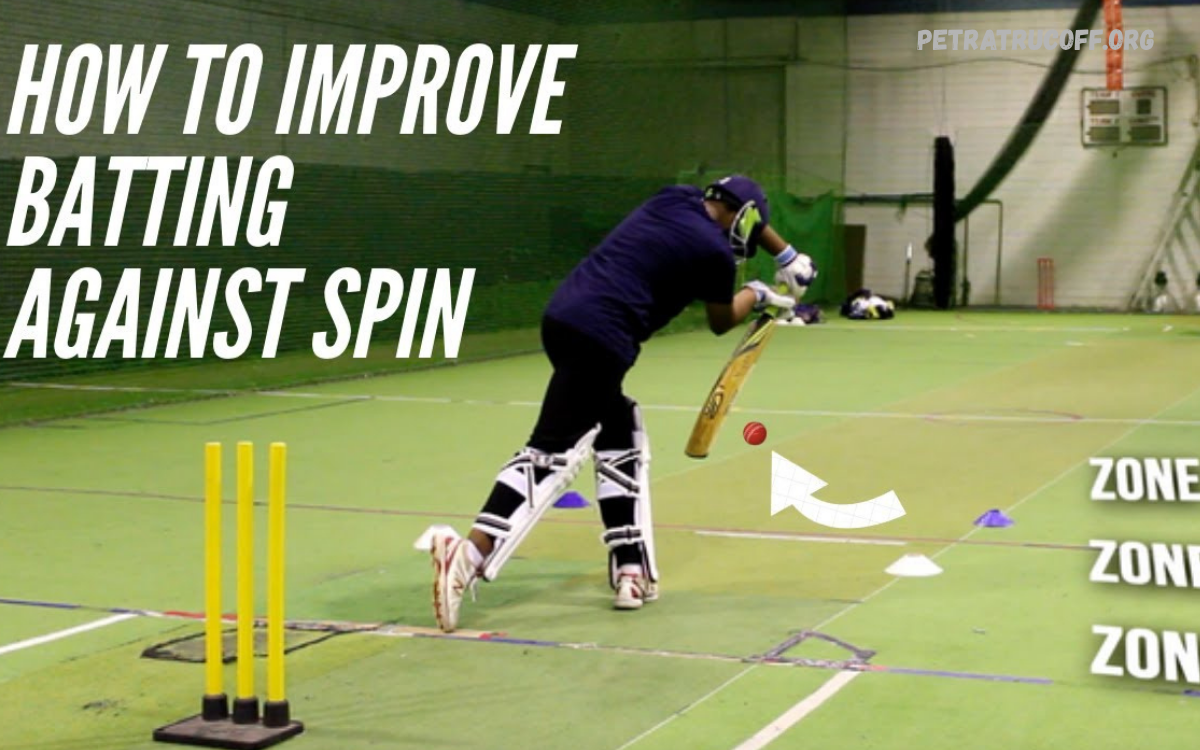
Batting against spin bowling is an essential skill for every cricket batter who wants to perform consistently across different pitches and match situations. Spinners use flight, turn, speed variations, and trajectory changes to challenge batters.
Successful batting against spin bowling requires patience, excellent footwork, quick decision-making, and a clear understanding of the bowler’s intentions.
Understanding Spin Bowling in Cricket
Spin bowling involves imparting rotation to the cricket ball so that it changes direction after pitching or moves differently through the air. Unlike fast bowlers, who primarily rely on pace and bounce, spinners use turn, flight, and deception to create uncertainty.
Understanding spin bowling helps batters spot potential threats before committing to a shot. Some deliveries turn sharply, while others travel straight or drift in the air. Observing the bowler’s grip, wrist position, release point, and variations can provide valuable clues.
Importance of Footwork Against Spin
Footwork forms the foundation of effective batting against spin bowling. Moving forward allows batters to reach the pitch of the ball, reducing the impact of turn and bounce. Moving backward creates additional time to adjust to shorter deliveries. Balanced movement also helps players maintain control while playing defensive strokes or attacking shots.
Good footwork begins with a stable batting stance, relaxed body movement, and quick initial reactions. Batters should avoid remaining rooted to the crease because limited movement gives spinners more opportunities to deceive them. Practising forward and backward movements against different lengths helps develop coordination, balance, and confidence during competitive matches.
Playing the Ball on the Front Foot
The front-foot approach is particularly useful when spinners bowl full-length deliveries. Stepping forward helps batters reach the ball earlier and reduces the chance of excessive turn affecting the shot. A controlled stride allows players to defend safely, drive through gaps, or push the ball into open areas for quick singles.
When playing forward, batters should keep their heads balanced over the front knee and watch the ball closely. The stride should be comfortable rather than exaggerated because excessive movement can disturb balance. A firm defensive technique and controlled bat swing help prevent mistakes while creating opportunities to score boundaries against loose deliveries.
Using the Back Foot Effectively
Back-foot batting becomes important when the spinner delivers a shorter ball or creates extra bounce. Moving backward gives the batter additional time to judge the delivery and adjust the bat angle. This movement can support controlled cuts, pulls against suitable deliveries, and defensive strokes that keep the ball close to the ground.
Batters should move backward quickly while maintaining a stable base and watching the ball until contact. Standing too deep can make full deliveries difficult to reach, while remaining too far forward can reduce reaction time against shorter balls. Adapting the batting position to the bowler’s length helps maintain flexibility throughout the innings.
Reading the Bowler’s Grip and Wrist Position
Reading the bowler’s hand can help batters identify the type of spin being attempted. Finger position, wrist orientation, and the release action sometimes reveal whether a delivery is likely to turn toward or away from the batter. However, experienced spinners can disguise their variations, so hand-reading should complement careful observation of the ball’s flight.
Batters should watch the bowler’s action without becoming distracted by excessive technical analysis. Regular practice against different bowling styles improves recognition of subtle differences in release and trajectory. Combining these observations with early footwork and a balanced stance helps players respond more effectively to unexpected turn, drift, and changes in pace.
Identifying Different Types of Spin Bowling
Off-spin and leg-spin are two major types of spin bowling. An off-spinner generally turns the ball toward a right-handed batter, while a leg-spinner generally turns it away. The direction reverses for a left-handed batter. These patterns influence shot selection, defensive positioning, and the areas where scoring opportunities may appear.
Other variations include the googly, doosra, slider, arm ball, and top-spinner. Each delivery can behave differently depending on the bowler’s technique and the pitch conditions. Learning to recognize these variations takes time, so batters should prioritize watching the ball carefully rather than guessing the delivery before it is released.
Playing Defensive Shots Against Spin
Defensive batting is a valuable skill when conditions favour spin or the match situation demands caution. A solid defensive technique helps protect the wicket, reduce unnecessary risks, and frustrate bowlers who depend on mistakes. Batters should focus on playing close to the body, maintaining a straight bat where appropriate, and keeping their movements controlled.
A good defensive shot does not always mean allowing the ball to stop immediately. Batters can use soft hands to reduce the chance of catches carrying to nearby fielders. Practising forward defence, back-foot defence, and controlled pushes develops the ability to survive difficult spells while waiting for scoring opportunities.
Playing Drives Against Spin Bowling
Drives are effective scoring options when spinners bowl full deliveries and leave space in front of the wicket. Front-foot drives through cover, mid-off, or mid-on can produce boundaries when the batter reaches the pitch of the ball and maintains proper balance. Timing is often more valuable than hitting the ball with excessive force.
Batters should choose the direction of the drive according to the delivery line, field placement, and amount of turn. Playing across the line without judging the ball can increase the risk of mistiming or losing the wicket. A straight bat, stable head position, and smooth follow-through support more consistent stroke play.
Sweeping Against Spin Bowling
The sweep shot allows batters to score square of the wicket against suitable deliveries, especially when spinners operate around a good length. A conventional sweep involves bending the knees, lowering the body, and using a controlled horizontal bat movement. It can help disrupt the bowler’s rhythm and challenge fielders positioned near the boundary.
The sweep requires balance, accurate judgment, and careful attention to line and length. Batters should practise the shot against appropriate deliveries rather than attempting it automatically. Choosing the correct ball, keeping the head stable, and maintaining awareness of nearby fielders helps reduce risk and improve scoring consistency.
Using the Reverse Sweep Carefully
The reverse sweep is an attacking option that directs the ball toward the opposite side from a conventional sweep. It can be useful against defensive field settings when the bowler maintains a predictable line. However, the shot requires coordination, flexibility, and precise timing, making it less suitable for batters who have not developed the necessary technique.
Players should learn the reverse sweep gradually under supervision, beginning with controlled practice before using it in matches. Reading the ball correctly remains essential because changes in line, length, or turn can make the shot difficult to execute. A batter should also maintain alternative scoring options instead of depending on one unconventional stroke.
Rotating the Strike Against Spin
Rotating the strike is one of the most effective ways to handle spin bowling. Singles and twos prevent the bowler from settling into a repetitive rhythm and help maintain the batting team’s momentum. Soft pushes into gaps, controlled deflections, and quick decisions between the wickets can keep the scoreboard moving without unnecessary risks.
Batters should study the field and identify areas where a gentle push can produce a run. Communication between partners is equally important because hesitation can create confusion and missed opportunities. By combining strike rotation with occasional attacking shots, batters can build partnerships and force captains to reconsider their field placements.
Finding Gaps in the Field
Field awareness helps batters choose shots that match the available scoring areas. Spinners often use close catchers, boundary riders, and strategically placed fielders to restrict scoring. Before each delivery, batters should quickly assess the field and identify gaps that can be targeted with controlled placement rather than powerful hitting.
Different deliveries create different opportunities. A ball on the pads may allow a controlled glance, while a wider delivery can offer space for a push or cut if the length is suitable. Batters who combine field awareness with sound technique can collect singles consistently and punish deliveries that provide genuine scoring opportunities.
Attacking Loose Deliveries
Although patience matters, batting against spin also requires the ability to punish poor deliveries. Short balls, overpitched deliveries, and balls drifting onto the pads may offer scoring opportunities. Recognizing these mistakes quickly allows batters to use appropriate attacking shots without abandoning their basic technique.
Aggression should remain controlled, not impulsive. Batters need to consider the match situation, field placement, pitch conditions, and their own strengths before attempting a boundary. Selecting the right delivery to attack helps maintain a healthy balance between scoring quickly and protecting the wicket.
Read Also: Top Roblox Adventure Games Worth Playing
Dealing With Flight and Drift
Flight refers to the ball’s trajectory through the air, while drift describes sideways movement before it pitches. Skilled spinners use these characteristics to tempt batters into committing too early or misjudging the delivery’s eventual line. A ball that looks easy to drive can become difficult when it drifts or dips unexpectedly.
Batters should watch the ball throughout its flight and avoid deciding on a shot too early. Small adjustments in footwork and bat preparation can help manage changes in trajectory. Practice against bowlers who vary their flight teaches players to distinguish between genuinely attacking opportunities and deliveries designed to encourage risky strokes.
Handling Turn and Bounce
Turn and bounce can change significantly between pitches and even within the same match. Dry surfaces may help spinners, while uneven bounce can make defensive and attacking shots harder. Batters must observe how the ball behaves and adjust their movement, stance, and shot selection accordingly.
When the ball turns sharply, playing late with soft hands can help maintain control. Against extra bounce, moving backward or choosing a safer defensive option may be more effective than forcing an attacking stroke. Adaptability is essential because a technique that works well on one surface may require adjustments on another.
Batting Against Leg-Spin
Leg-spin can be particularly challenging because the bowler may turn the ball away from a right-handed batter while offering variations such as the googly and slider. These deliveries can create uncertainty about the final direction of the ball. Batters should concentrate on watching the release, judging the length, and avoiding premature commitment.
A combination of front-foot defence, back-foot play, and controlled strike rotation can help neutralize leg-spin. Attacking through open areas is often more reliable than attempting a boundary from every delivery. Players should identify their preferred scoring options and practise responding to different variations without relying entirely on assumptions about the bowler’s wrist position.
Batting Against Off-Spin
Off-spin presents different challenges because the ball generally turns toward a right-handed batter and away from a left-handed batter. The bowler may target the stumps, pads, or outside edge while using changes in flight and pace to create pressure. Batters should understand how the turn affects the safest scoring areas.
Using the feet to reach full deliveries, defending with a straight bat, and rotating the strike can help reduce pressure. When the ball is too short or too wide, a suitable cut or other controlled attacking shot may be available. Maintaining discipline and selecting deliveries carefully allows batters to score steadily against off-spin.
Common Mistakes Against Spin Bowling
One common mistake is committing to a shot before judging the delivery’s length and direction. Other problems include poor footwork, playing across the line unnecessarily, attempting too many big shots, and losing balance while attacking. Such habits make it easier for spinners to create pressure and force errors.
Batters can correct these problems through focused practice and honest performance reviews. Coaches may identify technical issues that are difficult to notice during play, while video recordings can help players understand their movement and shot selection. Gradual improvement in balance, judgment, and decision-making leads to more reliable performance against spin.
Practice Drills for Batting Against Spin Bowling
Regular drills help develop the skills needed to handle different types of spin. Players can practise forward and backward movement, controlled defensive shots, drives, sweeps, and singles against a coach or teammate. Beginning at a comfortable pace allows batters to focus on technique before increasing the difficulty.
Throwdowns and spin-bowling practice can also improve the ability to judge length and adjust footwork. A useful session includes both defensive and attacking exercises, along with specific targets for placement and strike rotation. Consistent practice with feedback helps build confidence and makes correct movements more natural during matches.
Mental Strength and Patience Against Spin
Mental discipline is just as important as technical ability when batting against spin bowling. Spinners often build pressure through repeated dot balls, changes in pace, and carefully arranged fields. Batters who become impatient may attempt unnecessary shots, while those who remain focused can wait for deliveries that match their strengths.
Setting small goals can help maintain concentration throughout an innings. These goals might include rotating the strike, watching the ball closely, or choosing only suitable deliveries for attacking shots. Staying calm after a dot ball or a missed scoring opportunity allows batters to make better decisions on the next delivery.
Building a Match Strategy Against Spinners
A strong match strategy begins with understanding the conditions, the bowler’s strengths, and the team’s scoring requirements. In longer formats, protecting the wicket and building partnerships may take priority. In limited-overs cricket, batters may need to rotate the strike more frequently and target specific overs or fielding weaknesses.
Frequently Asked Questions
What Is the Best Technique for Batting Against Spin Bowling?
The best technique combines early footwork, careful judgment of line and length, a balanced stance, and appropriate shot selection. Batters should move forward against full deliveries and back against shorter balls. Practising both defence and attack helps players adapt to different spin variations.
How Can Beginners Improve Against Spin Bowlers?
Beginners should start with simple defensive drills, controlled front-foot drives, and basic back-foot movements. Watching the ball closely and learning to judge its length are essential early skills. Regular practice against different bowling styles gradually improves timing, confidence, and the ability to identify scoring opportunities.
Should Batters Always Use Their Feet Against Spin?
No. Footwork helps against full deliveries, but moving back or staying balanced in the crease may be better against shorter balls and deceptive flight. Batters should assess each delivery before moving, rather than automatically stepping forward.
Which Shots Are Most Effective Against Spin Bowling?
Front-foot drives, defensive pushes, sweeps, cuts, and controlled deflections can all be effective, depending on line, length, and field placement. Rotating the strike is also important because it prevents the bowler from building pressure. The best shot is the one that matches the delivery and the batter’s ability.
How Can Batters Avoid Getting Out Against Spin?
Batters can reduce risk by judging deliveries carefully, maintaining balanced footwork, using soft hands in defence, and avoiding unnecessary attacking shots. Understanding the match situation and rotating the strike can also help. Regular practice against different spin variations improves decision-making and consistency.
Why Is Patience Important When Batting Against Spin Bowling?
Patience keeps batters from taking risks just because runs aren’t coming quickly. Spinners often rely on pressure and mistakes to take wickets. By remaining focused, rotating the strike, and waiting for loose deliveries, batters can build an innings while still scoring at a suitable pace.
Conclusion
Batting against spin bowling requires sound technique, quick footwork, patience, and intelligent shot selection. Learning to recognize different spin variations, judge flight and turn, and use the crease effectively gives batters more control over challenging deliveries. Strong defense provides a foundation, while drives, sweeps, and controlled attacking shots create scoring opportunities.
Consistent practice is the key to improving performance against spinners. By improving balance, field awareness, strike rotation, and mental discipline, players can feel more confident in different conditions. Every batter develops at a different pace, but focused training and thoughtful match experience can make batting against spin bowling more manageable and rewarding.

1 comentario
Pingback: FC Mobile Lag Fix: Best Settings and Tips for Smooth Gameplay - PetraTrucoff