

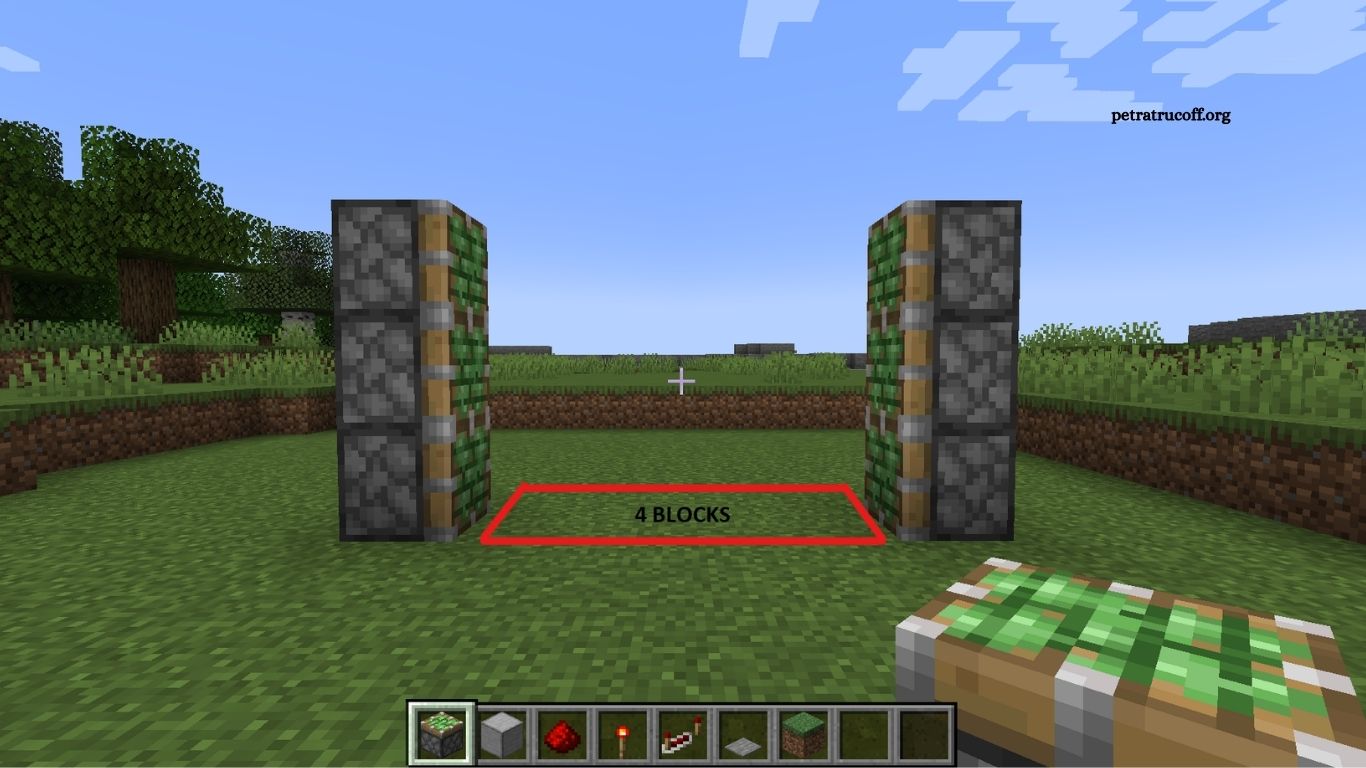
Minecraft Redstone opens a new world of creativity, automation, and engineering inside the game. For beginners, Redstone can seem complicated at first, especially when you see advanced machines, massive farms, or complex piston systems. Learning simple Minecraft Redstone projects provides an easier way to understand how Redstone works while building useful features for your survival world.
Redstone works like an electrical system in Minecraft. Players can use Redstone dust, levers, buttons, pressure plates, pistons, repeaters, comparators, observers, and other components to create machines and automated systems. Starting with small projects helps beginners understand signals, power, timing, and movement without feeling overwhelmed.
Read More: Best Minecraft Texture Packs Worth Trying
Why Learn Minecraft Redstone?
Minecraft Redstone projects make gameplay more convenient and creative. A simple Redstone mechanism can automate a task that would otherwise require constant manual work. As your skills improve, basic circuits can become sophisticated farms, transportation systems, hidden doors, sorting machines, and automated bases.
Redstone also encourages problem-solving. Building a working circuit requires understanding how different components interact. When a machine does not work as expected, troubleshooting the circuit becomes part of the learning process.
For beginners, the best approach involves starting with projects that have a clear purpose. Simple builds provide immediate results while introducing important Redstone concepts.
Minecraft Redstone Projects for Beginners
Automatic Door
An automatic door represents one of the easiest Redstone projects for a new player. A pressure plate can activate a piston or iron door when a player approaches. Walking over the pressure plate sends a Redstone signal, causing the door to open automatically.
This project teaches the basic relationship between an input and an output. The pressure plate acts as the input, while the door or piston creates the output. Once you understand this connection, you can experiment with buttons, levers, and other activation methods.
Automatic doors work particularly well around survival bases because they add convenience without requiring a complicated circuit.
Hidden Piston Door
A hidden piston door provides a more exciting introduction to Redstone. Instead of simply opening a visible door, pistons can move blocks to reveal a secret entrance.
Beginners can start with a small two-block piston door before attempting larger designs. The project introduces pistons, Redstone signals, block movement, and circuit placement.
A hidden entrance can also become part of a secret storage room, underground base, or adventure map. Learning how to control pistons gives beginners an important foundation for more advanced Redstone builds.
Redstone Lamp
A Redstone lamp is an excellent project for understanding basic power transmission. Connecting a lamp to a lever allows you to switch the light on and off manually.
This simple mechanism demonstrates how Redstone dust carries power between components. Players can expand the design by adding multiple lamps, switches, or pressure plates.
Redstone lighting can make Minecraft bases more functional while also creating attractive interiors, pathways, farms, and decorative builds.
Automatic Farm
An automatic farm is one of the most useful Minecraft Redstone projects for beginners. A basic farm can use water, pistons, observers, or dispensers to help collect crops with less manual effort.
Beginners should start with a simple crop collection system rather than attempting a highly optimized farm immediately. Understanding how a Redstone signal activates a piston or dispenser makes larger farming systems easier to build later.
Automatic farms can save significant time in survival gameplay. Once the basic concept becomes familiar, players can explore automated systems for crops, sugar cane, bamboo, pumpkins, melons, and other resources.
Simple Redstone Clock
A Redstone clock repeatedly produces a Redstone signal. This makes it useful for activating devices at regular intervals.
Creating a basic clock helps beginners understand timing and signal repetition. Repeaters are especially important because they allow players to control the timing of Redstone signals.
Redstone clocks can power dispensers, farms, lighting systems, decorative mechanisms, and other automated builds. Beginners should experiment with different repeater settings to see how changing delays affects the circuit.
Automatic Smelter
An automatic smelter improves the traditional furnace system by automatically moving items between storage, furnaces, and output containers.
Hoppers play a major role in this project. They can transfer items into furnaces and move finished materials into chests. Adding Redstone components can create a more efficient automated processing system.
This project introduces beginners to the relationship between Redstone and item transportation. It also provides a practical upgrade for survival worlds because large quantities of ores, food, or other materials can be processed with less manual effort.
Simple Item Sorter
An item sorter helps organize resources automatically. Instead of manually placing every item into separate chests, a Redstone-powered sorting system can direct specific items into designated storage containers.
Although advanced item sorters can become complicated, beginners can build a basic version using hoppers, comparators, Redstone dust, and repeaters.
Learning item sorting provides valuable experience with Redstone comparators and signal strength. These concepts become increasingly important when building advanced storage systems.
Automatic Trash Disposal
An automatic trash system provides a simple solution for unwanted items. Players can create a mechanism that sends disposable materials into a controlled disposal area.
Beginners should take care when designing these systems because valuable items can accidentally be destroyed. A secure setup with a clearly marked disposal input helps prevent mistakes.
This project is useful for learning how hoppers, dispensers, and Redstone signals can work together.
Redstone Trap
Redstone traps introduce beginners to another side of Redstone engineering. A simple trap can use pressure plates, tripwire, pistons, dispensers, or other components to trigger an unexpected event.
Building traps teaches players how inputs can activate mechanisms automatically. Creative testing is especially useful because traps often require careful timing and placement.
In multiplayer worlds, players should use traps responsibly and respect server rules. Redstone can create impressive surprises without causing unnecessary problems for other players.
Essential Redstone Components for Beginners
Understanding the main Redstone components makes beginner projects much easier. Redstone dust carries signals between components and acts as the basic wiring system. Levers provide a continuous power source, while buttons normally create a short signal. Pressure plates activate when a player, mob, or suitable object interacts with them. Redstone torches can provide power while also functioning as signal inverters. Repeaters extend signals and introduce adjustable delays. Pistons move blocks when powered, making them essential for doors, traps, farms, and moving structures.
Observers detect changes in blocks and generate Redstone pulses, which makes them valuable for automation. Comparators measure or compare Redstone signal strength and can detect changes in containers such as chests and hoppers. Hoppers transport items between inventories and machines, making them especially useful for automated farms and storage systems. Learning each component individually is easier than trying to understand every Redstone mechanic at once.
How Beginners Can Learn Redstone Faster
The easiest way to learn Redstone involves building small mechanisms and testing them frequently. Instead of copying a complicated design immediately, try to understand what each component does and why it is necessary. Creative Mode provides an excellent environment for experimentation because resources are unlimited. You can build a circuit, test it, remove it, and rebuild it without worrying about gathering materials.
Another useful approach involves changing one part of a working circuit at a time. For example, if a piston door works with a lever, replace the lever with a button and observe the difference. Small experiments gradually develop a deeper understanding of Redstone mechanics. Keeping circuits simple also makes troubleshooting easier. When a Redstone project fails, check whether every component receives the correct signal and whether the components are positioned correctly.
Common Redstone Mistakes Beginners Make
One common mistake involves placing Redstone dust without understanding signal range. Redstone signals have limitations, so long circuits may require repeaters to continue transmitting power. Another frequent problem occurs when players accidentally power the wrong block. Minecraft Redstone can interact with adjacent blocks in ways that are not immediately obvious to new players.
Timing also causes problems in many projects. Pistons, repeaters, observers, and other components may respond at different moments. Understanding delays becomes increasingly important as circuits become more advanced. Beginners should also avoid making circuits unnecessarily large. A compact design is usually easier to understand, repair, and expand.
Taking Redstone Skills to the Next Level
Once basic Redstone projects become comfortable, beginners can start combining multiple mechanisms. An automatic farm can connect to an item sorter. A hidden door can lead to an automated storage room. A smelting system can connect to a larger resource-processing area. Combining simple circuits is one of the best ways to understand advanced Redstone. Complex machines are often built from smaller mechanisms working together.
With practice, players can move toward advanced projects such as automatic trading systems, large storage networks, flying machines, piston elevators, advanced farms, and sophisticated base security systems. The most important part of learning Minecraft Redstone is experimentation. There is no need to master every mechanic immediately. Each small project adds another piece of knowledge and makes the next build easier.
Frequently Asked Questions
What is Redstone in Minecraft?
Redstone is a Minecraft material used to create circuits, machines, and automated systems.
What is the easiest Redstone project for beginners?
An automatic door is one of the easiest Redstone projects for beginners.
What does Redstone dust do?
Redstone dust carries power between Redstone components.
Can beginners build automatic farms with Redstone?
Yes, beginners can create simple automatic farms using basic Redstone components.
Why are Redstone repeaters useful?
Repeaters extend Redstone signals and add adjustable delays.
Is Creative Mode good for learning Redstone?
Yes, Creative Mode makes experimentation easier because you have unlimited resources.
Conclusion
Minecraft Redstone projects for beginners offer a simple way to learn automation and creativity. Start with easy builds such as doors, lamps, farms, and simple machines. Practice each mechanism, understand how Redstone components work, and gradually move toward more advanced projects. With regular experimentation, Redstone can make your Minecraft world more efficient, interactive, and exciting.

1 comentario
Pingback: How to Defeat the Ender Dragon Easily - PetraTrucoff