

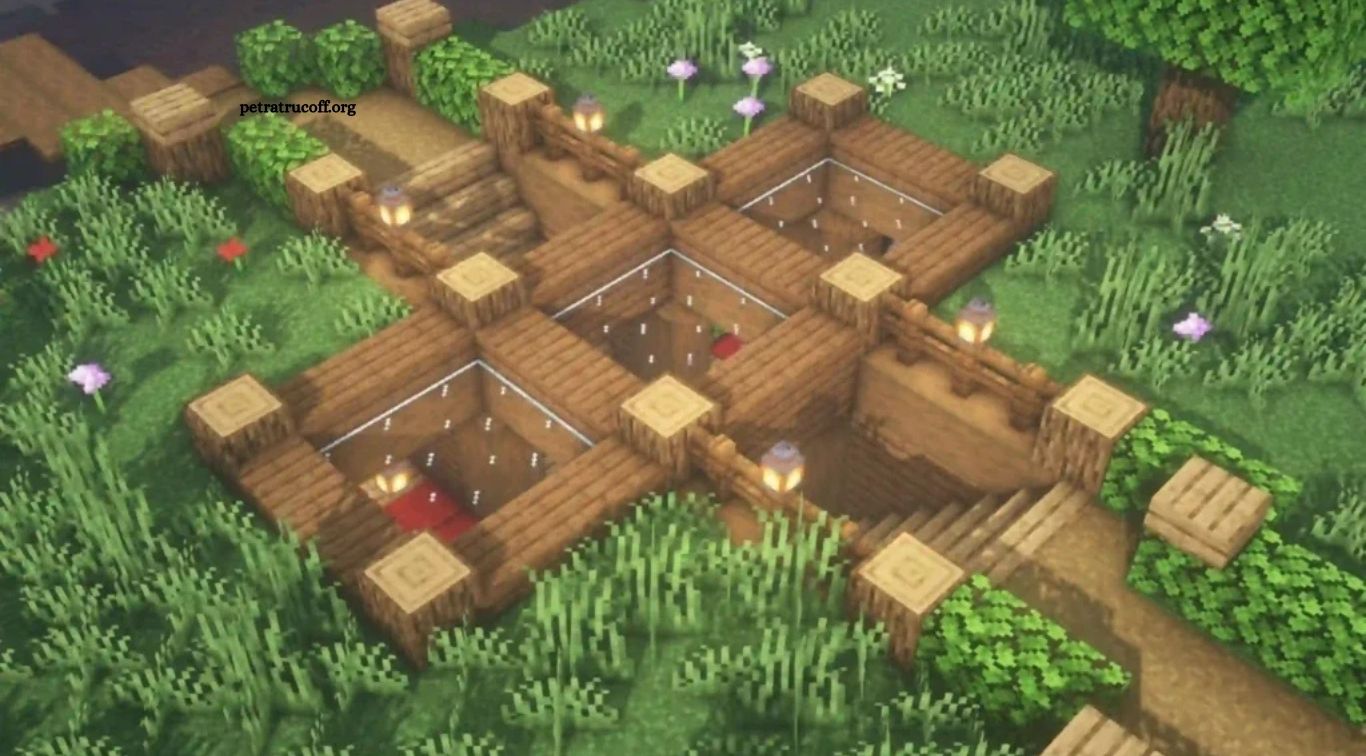
Minecraft survival mode offers an exciting open-world experience where players gather resources, craft useful items, build shelters, explore dangerous areas, and fight hostile mobs. New players may feel overwhelmed during their first few days because the world contains countless resources, crafting recipes, and hidden dangers. A simple survival strategy makes the early game much easier and helps players progress confidently.
Learning the basics of Minecraft survival starts with collecting essential materials, creating reliable tools, securing food, and building a safe shelter. Once these foundations are established, players can explore caves, discover valuable ores, create farms, and prepare for more challenging adventures.
Read More: Common Minecraft Mistakes Beginners Make
Start by Collecting Basic Resources
Wood should become the priority after entering a new Minecraft world. Punch nearby trees and collect logs, then convert them into wooden planks and sticks. Use these materials to craft a crafting table, wooden pickaxe, and other basic tools. Stone should quickly replace wooden tools because stone equipment offers better durability and efficiency.
Collecting a small supply of coal, stone, and food also helps during the first day. Coal provides an easy source of torches, while stone supports essential crafting recipes. Keep gathering resources whenever you explore because basic materials are frequently needed for tools, furnaces, weapons, and building projects.
Build a Safe Shelter Before Night
Nighttime introduces hostile mobs such as zombies, skeletons, spiders, and creepers. New players should create a basic shelter before darkness arrives. A small wooden or stone house provides enough protection while allowing time to organize resources and prepare for the next day.
Place a door, crafting table, furnace, chest, and several torches inside the shelter. Lighting prevents hostile mobs from spawning in dark areas around your base. The first shelter does not need to look impressive; focus on safety and functionality before starting larger construction projects.
Find Food and Maintain Hunger
Food plays an important role in Minecraft survival because hunger affects health regeneration and movement. Collect animals such as cows, pigs, chickens, and sheep for reliable food supplies. Wheat, potatoes, carrots, and other crops can also become useful sources of renewable food.
Create a small farm close to your base once you have suitable seeds or crops. Farming provides a dependable food supply and reduces the need for constant exploration. Cook raw meat using a furnace because cooked food generally provides better hunger restoration than raw alternatives.
Craft Better Tools and Weapons
Stone tools are useful during the early game, but upgrading equipment should remain a priority. Iron provides a major improvement because iron tools, weapons, shields, buckets, armor, and other useful items can significantly increase survival chances.
Create an iron pickaxe as soon as you collect enough iron. A shield should also be an early priority because it can block many incoming attacks, especially skeleton arrows. Iron armor offers much better protection than basic leather or no armor, making cave exploration considerably safer.
Explore Caves Carefully
Caves contain valuable resources such as coal, iron, copper, gold, redstone, lapis lazuli, and diamonds. They also contain dark areas where hostile mobs can appear. Always carry enough food, torches, blocks, tools, and weapons before entering a cave.
Avoid rushing toward valuable ores without checking the surrounding area. Creepers, skeletons, zombies, and other threats can attack from unexpected directions. Place torches systematically and mark your route so returning to the surface becomes easier. Keeping important resources in a chest at your base can also reduce the impact of an unexpected death.
Learn How to Find Diamonds
Diamonds are among the most valuable early-game resources because they allow players to craft powerful equipment and progress toward advanced gameplay. Diamond ore generates underground, making mining an important part of obtaining diamonds.
Use an iron or stronger pickaxe when mining diamond ore. Carry several tools and maintain enough food for extended mining sessions. Instead of exploring randomly, establish an organized mining route and keep track of your surroundings. Patience and careful exploration usually produce better results than rushing through caves.
Use Torches and Light Effectively
Lighting is one of the simplest survival techniques in Minecraft. Hostile mobs can spawn in dark areas, so placing torches around your base, caves, farms, and pathways improves safety.
Carry a generous supply of torches during underground exploration. When creating a mine, place torches consistently on one side of the tunnel. This creates a simple navigation system because you can use torch placement to recognize the direction back toward your base.
Create a Reliable Storage System
Inventory space can quickly become a problem during exploration. Build several chests and organize materials into categories such as building blocks, ores, food, tools, weapons, farming items, and miscellaneous resources.
Avoid carrying every valuable item during dangerous adventures. Store diamonds, rare resources, extra tools, and important equipment inside your base before exploring unfamiliar areas. An organized storage system saves time and makes crafting much easier.
Build a Farm for Long-Term Survival
Once basic survival becomes comfortable, renewable resources should become the next goal. Wheat farms provide food and useful materials for breeding animals. Animal farms can provide renewable meat, leather, wool, and other resources.
Consider creating separate farms for crops and animals. Keep farms close to your main base so harvesting and replanting remain convenient. Automated farms can be added later when you understand Minecraft’s mechanics and want to improve resource production.
Prepare for Nether Exploration
The Nether is a dangerous dimension containing unique resources, hostile mobs, and valuable structures. Entering without preparation can lead to quick deaths, especially for new players.
Before entering a Nether portal, carry strong armor, weapons, food, blocks, a shield, and extra tools. Consider leaving your most valuable items safely stored at your base. Mark your portal location clearly because navigating the Nether can become confusing. Fire resistance and careful movement become increasingly important as you explore deeper areas.
Enchant Your Equipment
Enchantments can dramatically improve weapons, armor, tools, and other equipment. A reliable enchantment setup usually requires experience levels, bookshelves, and an enchanting table.
Useful enchantments can improve durability, mining speed, combat strength, protection, and resource collection. Avoid spending valuable resources randomly on every item. Save strong enchantments for equipment you expect to use for a long time.
Avoid Common Beginner Mistakes
Many new players lose progress by exploring without food, entering caves without torches, carrying valuable items into dangerous locations, or building far from useful resources. Poor inventory management can also make survival unnecessarily difficult.
Another common mistake involves fighting every hostile mob encountered. Combat is sometimes necessary, but avoiding unnecessary battles can conserve health, food, weapons, and armor. Minecraft survival rewards preparation and smart decision-making more than constant fighting.
Build a Base That Supports Progress
A good Minecraft base should provide more than a place to sleep. Include storage rooms, furnaces, crafting stations, farms, animal pens, and safe pathways. Later, add an enchanting area, Nether portal room, villager trading area, and specialized farms.
Start with a practical design instead of attempting an enormous structure immediately. As your resources increase, expand the base gradually. This approach makes the world feel more progressive while giving you useful goals throughout the survival journey.
Explore Villages and Trade With Villagers
Villages can provide valuable early-game resources, food, beds, crops, and trading opportunities. Protect villagers from hostile mobs and consider creating a secure area around the village.
Villager trading can become one of the strongest resource systems in Minecraft. Different professions offer different items, including tools, armor, enchanted books, food, and other useful materials. Learning the basics of villager trading can make advanced survival progression much easier.
Keep a Backup Plan
Minecraft survival can become unpredictable. A creeper explosion, fall, lava pool, or hostile mob can destroy hours of progress. Keep spare armor, tools, food, and important materials inside your base.
When exploring distant locations, record useful coordinates or create recognizable landmarks. This simple habit helps you return to important locations and reduces the chance of becoming permanently lost.
Frequently Asked Questions
What should a new Minecraft player do first?
Collect wood, craft basic tools, gather food, find stone and coal, and build a safe shelter before night.
What is the most important resource early in Minecraft?
Wood is one of the most important starting resources because it supports basic tools, crafting tables, chests, weapons, and many early survival items.
How can I survive my first night?
Build a small shelter, place torches, secure food, and avoid unnecessary combat with hostile mobs.
Should beginners explore caves?
Yes, caves provide important resources, but beginners should carry food, torches, weapons, tools, and blocks before entering.
How do I protect valuable items?
Store diamonds, rare resources, extra equipment, and other valuable items inside secure chests at your main base.
What should I do after getting iron?
Craft an iron pickaxe, shield, bucket, and armor. Iron equipment provides a major advantage during exploration and mining.
Conclusion
Minecraft survival becomes much easier when new players focus on preparation, resource management, exploration, and gradual progression. Start with wood and stone, secure food, build a safe shelter, gather iron, explore caves carefully, and create renewable farms. Each step builds a stronger foundation for future adventures. There is no single correct way to play Minecraft. Build creatively, explore different biomes, experiment with farms, trade with villagers, discover new dimensions, and develop your own survival strategy.
