

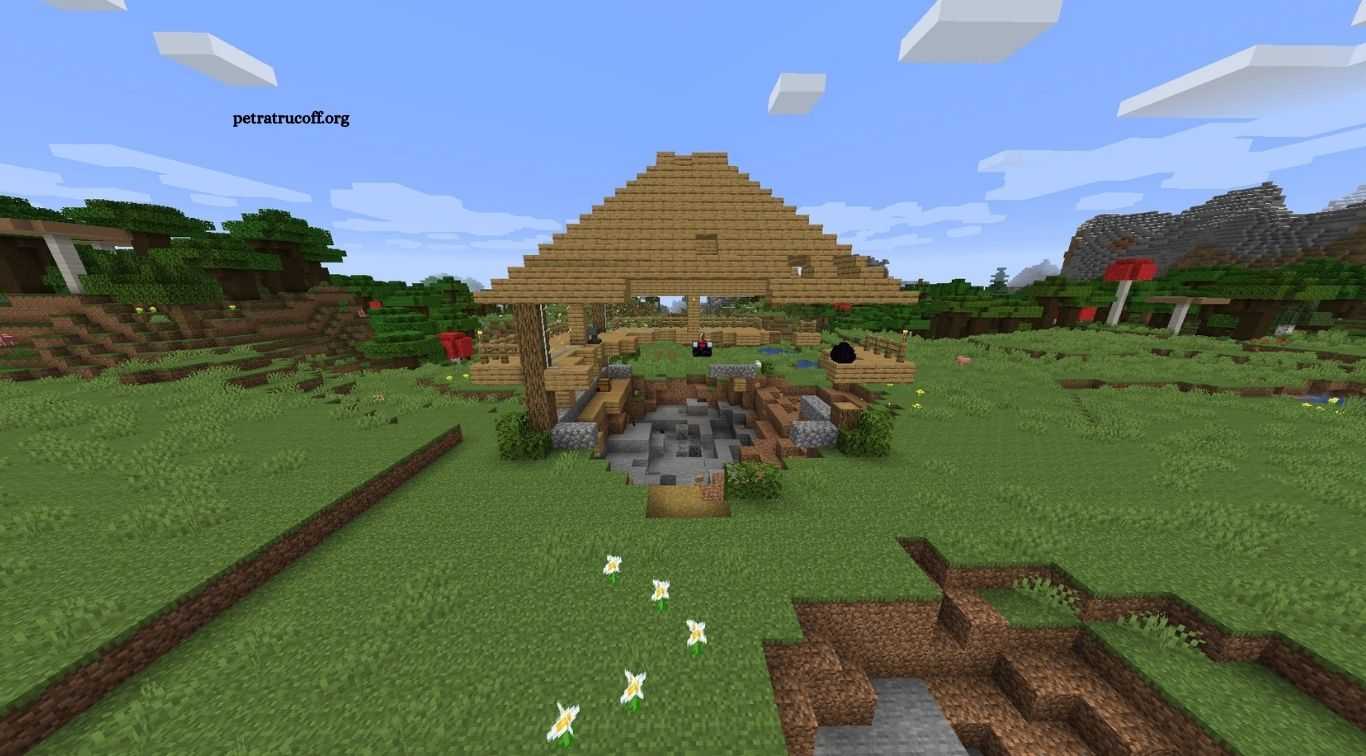
Minecraft gives players complete freedom to explore, build, craft, and survive. For beginners, however, that freedom can quickly become confusing. Without basic preparation, simple decisions can lead to lost items, dangerous encounters, or wasted resources. Learning common mistakes early can make the game much easier and more enjoyable.
New players often learn through trial and error, which is part of Minecraft’s appeal. Still, understanding frequent beginner mistakes can help you survive longer and make better decisions. From building your first shelter to exploring caves, small improvements can make a major difference in your Minecraft experience.
Read More: Minecraft Update Features You Should Explore
Starting Without a Safe Shelter
One of the biggest mistakes beginners make is spending the first day exploring without creating a safe place to stay. Nighttime introduces hostile mobs, making open areas dangerous when you have limited equipment. A simple shelter with walls, a roof, a door, and adequate lighting can protect you while you organize your resources.
Your first shelter does not need to be impressive. A small wooden or dirt house can provide enough protection until you gather better materials. Focus on safety first, then improve the design as your resources and building skills grow.
Ignoring Food and Hunger
Food is essential for survival, but beginners sometimes focus so heavily on mining and building that they forget to maintain a reliable food supply. Hunger affects your ability to recover health and move efficiently, making long adventures much more dangerous when food runs out.
Collecting basic food early can prevent unnecessary problems. Animals, crops, and other food sources can help establish a steady supply. Creating a small farm near your base is especially useful because it reduces the need to search for food every time you return from an adventure.
Digging Straight Down
Digging straight down is one of the most famous Minecraft mistakes. You may suddenly fall into a deep cave, lava pool, or dangerous area without enough time to react. Even when the drop is not fatal, losing valuable equipment can make the mistake frustrating.
A safer approach is to dig using a staircase or another method that lets you see the blocks beneath you. This gives you more control and allows you to react when you encounter caves, water, or lava. Safe mining habits become increasingly important as you begin searching for valuable underground resources.
Carrying Too Many Items
Beginners often collect everything they find because they do not yet know which resources will be useful. Before long, the inventory becomes full, forcing the player to leave valuable items behind or make unnecessary trips back home.
Organizing storage early can solve much of this problem. Chests allow you to separate building materials, food, tools, and valuable resources. Keeping important items organized also makes crafting and preparation much faster when you are ready to begin a new project.
Forgetting to Use Torches
Dark areas can quickly become dangerous because hostile mobs can spawn in poorly lit locations. Beginners sometimes explore caves without carrying enough torches, making it difficult to see resources or remember where they have already traveled.
Torches are useful for more than providing light. Placing them consistently can help mark paths and reduce the chance of getting lost underground. Lighting your base, mines, and frequently used areas also creates a safer environment for everyday gameplay.
Exploring Without Preparing
Exploration is one of Minecraft’s most enjoyable activities, but leaving home without preparation can turn a simple journey into a survival problem. Beginners may travel long distances without enough food, tools, weapons, or empty inventory space.
Before exploring, think about how long you expect to be away. Carry essential supplies and avoid taking every valuable item from your storage. If you die far from your base, having fewer important possessions with you can make the loss much easier to handle.
Spending Valuable Resources Too Early
Minecraft contains resources that may seem rare or exciting when you first discover them. Beginners sometimes spend valuable materials on unnecessary items before understanding their long-term usefulness. This can leave them without enough resources when they eventually need better equipment or important crafting materials.
It is better to think about the purpose of valuable resources before using them. Keep rare materials stored safely until you understand how they fit into your progression. As you gain experience, you will become better at deciding when a resource should be saved and when it is worth spending.
Ignoring Villages and Useful Structures
Villages can provide beginners with valuable opportunities, including food, beds, useful buildings, and potential trading options. New players may walk past villages because they do not yet understand their importance or simply continue exploring without investigating.
Other naturally generated structures can also contain useful resources and opportunities. Exploring carefully can introduce you to different parts of Minecraft while giving you access to materials that would otherwise take considerable time to obtain. However, always prepare properly before entering unfamiliar areas.
Not Protecting Important Items
Losing valuable equipment is especially painful when you are new to Minecraft. Beginners may carry their best tools, armor, weapons, and rare resources during every adventure, even when they do not need them.
Create a habit of storing important items before taking unnecessary risks. If you have valuable resources that you do not immediately need, keep them in a secure storage area. Good inventory management can turn a serious death into a minor inconvenience.
Trying to Fight Every Mob
New players sometimes believe that every hostile mob must be defeated. This can lead to unnecessary damage, especially when fighting several enemies at once or entering dangerous areas without proper equipment.
Avoiding combat is often the smarter choice. Use distance, lighting, terrain, and shelters to control dangerous situations. When combat is necessary, make sure you have suitable weapons, armor, food, and enough space to move safely.
Building Without Planning
Minecraft encourages creativity, so beginners often start building immediately without considering the surrounding space or future needs. A small house can quickly become surrounded by random farms, storage areas, mines, and other structures that make the base difficult to expand.
Even basic planning can improve your world. Think about where you want storage, farms, pathways, workshops, and future buildings. You do not need a detailed blueprint, but leaving room for expansion can prevent major rebuilding later.
Losing Your Base
Getting lost is another common beginner problem. Minecraft worlds can become enormous, and exploring without remembering where your home is can make returning difficult. Beginners may travel far away and then struggle to recognize the landscape.
Use coordinates when available and develop reliable navigation habits. You can also create recognizable landmarks near important locations. Keeping track of your base location before beginning a long journey can save considerable time and prevent unnecessary panic.
Ignoring Equipment Upgrades
Some beginners continue using basic tools and weapons for too long because they are comfortable with familiar equipment. Better materials and upgrades can significantly improve mining, combat, exploration, and resource gathering.
As you progress, replace weaker equipment when practical. Enchantments and other upgrades can make tools and armor much more effective. Learning how equipment progression works will help you complete difficult tasks more efficiently.
Learning From Mistakes
Making mistakes is a normal part of Minecraft. Losing your first set of tools, getting defeated by a hostile mob, or becoming lost in a cave can teach you valuable lessons that are difficult to learn from instructions alone.
Instead of becoming frustrated, consider what caused the problem and what you can change next time. Minecraft rewards experimentation, and every mistake can improve your understanding of survival, exploration, crafting, and building.
Frequently Asked Questions
What is the biggest mistake Minecraft beginners make?
Failing to prepare for survival is one of the most common mistakes. A safe shelter, food, tools, and lighting should be early priorities.
Is it bad to dig straight down in Minecraft?
Yes. Digging straight down can cause dangerous falls or expose you to lava and hostile areas. Safer mining methods are recommended.
How should beginners organize Minecraft items?
Use chests to separate important categories such as food, tools, building blocks, ores, and other resources. Organized storage makes survival easier.
Why are torches important in Minecraft?
Torches provide light, reduce dangerous dark areas, and help players mark paths while exploring caves and underground locations.
Should beginners explore far from their base?
Yes, exploration is important, but beginners should prepare with food, tools, equipment, and enough inventory space before traveling far.
How can beginners improve at Minecraft?
Practice regularly, learn from mistakes, explore different game mechanics, and gradually experiment with building, mining, farming, combat, and exploration.
Conclusion
Minecraft beginners often make mistakes because the game provides enormous freedom without forcing players to follow a strict path. Simple habits such as building a shelter, managing food, carrying torches, organizing storage, and preparing for exploration can make survival much easier. The most important lesson is to play patiently and learn from experience. You do not need to master every Minecraft mechanic immediately.

1 comentario
Pingback: Ultimate Minecraft Survival Guide for New Players - PetraTrucoff