

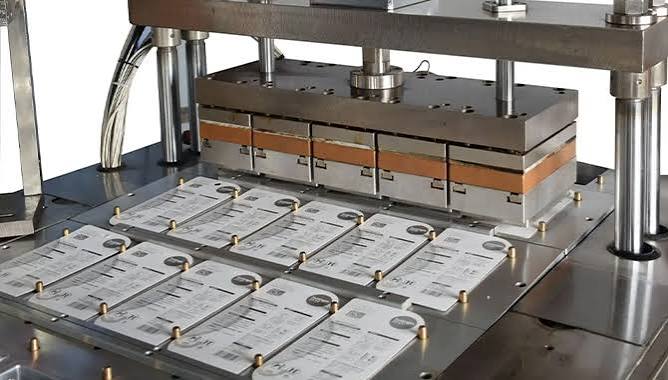
In today’s competitive retail environment, product packaging is no longer just a container—it is a critical touchpoint for safety, brand perception, and consumer decision-making. Across industries ranging from pharmaceuticals and medical devices to consumer electronics, cosmetics, and hardware, manufacturers are continually seeking ways to optimize their packaging workflows.
Among the various options available, adopting a modern blister card sealing machine has become a proven strategy to streamline operations, reduce material waste, and deliver retail-ready products that stand out on store shelves.
The Strategic Advantage of Blister Card Packaging
Blister card packaging combines a pre-formed transparent plastic pocket with a printed paperboard backing. Beyond its clean appearance, this format offers several distinct operational and marketing advantages:
- High-Impact Merchandising: Consumers can inspect the product’s design, size, and features directly through the clear plastic, while the cardboard backer serves as a high-visibility canvas for marketing messaging, compliance info, and branding.
- Enhanced Shelf Life and Security: The sealed plastic cavity insulates items from ambient moisture, dust, and physical damage during shipping and handling.
- Tamper Evidence: Unlike recloseable boxes, a heat-sealed blister card makes any unauthorized opening or tampering immediately visible, boosting consumer confidence.
How Advanced Thermal Sealing Technology Elevates Quality
At the heart of the process is heat-sealing technology. The quality of a blister package relies heavily on achieving a uniform bond between the heat-seal coating on the card and the thermoformed plastic cavity.
Modern machines ensure seal integrity through:
- Precise PID Temperature Management: Advanced digital controls maintain exact heat levels across the entire sealing platen, preventing burnt cards or weak spots.
- Calibrated Pressure Control: Pneumatic or hydraulic systems apply uniform downward force to guarantee that the adhesive penetrates the plastic flange evenly.
- Programmable Dwell Times: Timers allow operators to fine-tune the exact fraction of a second needed for different material thicknesses (such as PVC, PET, or eco-friendly recycled plastics).
Key Features to Look For in a Packaging Machine
When evaluating new machinery for your production facility, consider features that drive long-term return on investment (ROI):
1. Rapid Tooling Changeovers
Facilities that handle multiple product lines require machinery with quick-change mold designs. Modular tooling nests allow operators to switch between different blister shapes and card dimensions with minimal downtime.
2. Ergonomic & Safe Operation
Safety features such as dual-palm anti-tie-down start buttons, light curtains, emergency shut-offs, and clear protective shielding are critical for maintaining safety standards on the shop floor.
3. Scalable Automation Levels
Whether you start with a semi-automatic rotary table unit or transition to a fully automated continuous inline packaging system, choosing equipment that can scale alongside your growing production demands prevents early operational bottlenecks.
Optimizing Production Efficiency and Reducing Waste
Upgrading to reliable sealing equipment directly impacts your bottom line. By replacing inconsistent manual sealing methods with automated thermal sealing, manufacturers achieve:
- Lower Scrap Rates: Precise temperature control eliminates weak seals and heat-damaged cards, reducing material waste.
- Higher Output Per Hour: Faster cycle times mean higher unit output without increasing headcount.
- Consistent Brand Presentation: Every unit off the line meets the same clean, professional aesthetic standard required by major retailers.
Conclusion
Investing in high-performance packaging infrastructure is essential for brands looking to scale efficiently and protect their product integrity. Incorporating a dedicated blister card sealing machine empowers manufacturers to produce durable, attractive, and tamper-evident packages that capture consumer trust.
